

The birth of a child brings an overwhelming range of emotions: joy, excitement, anxiety, and fear. At times, these intense feelings may lead to the unexpected—postpartum depression. Learn more about this condition through ottawanka.com.
General Overview
The initial days after childbirth often come with mood swings, uncontrollable crying, sleep issues, and anxiety. These symptoms are often referred to as the baby blues, which typically begin two to three days postpartum and last about two weeks.
Women in Ottawa describe this experience as extraordinary yet challenging, due to factors like hormonal changes, lack of sleep, and sometimes insufficient support from partners or family.
For some, these symptoms can develop into a more severe, long-lasting condition known as postpartum depression. Doctors also refer to it as perinatal depression, as it can begin during pregnancy. In extreme cases, it can escalate into postpartum psychosis, a rare but severe mood disorder.
It is crucial for women and their families to understand that postpartum depression is neither a weakness nor a flaw—it is sometimes a complication of childbirth. Prompt recognition and treatment can aid in recovery and foster a stronger bond with the baby.
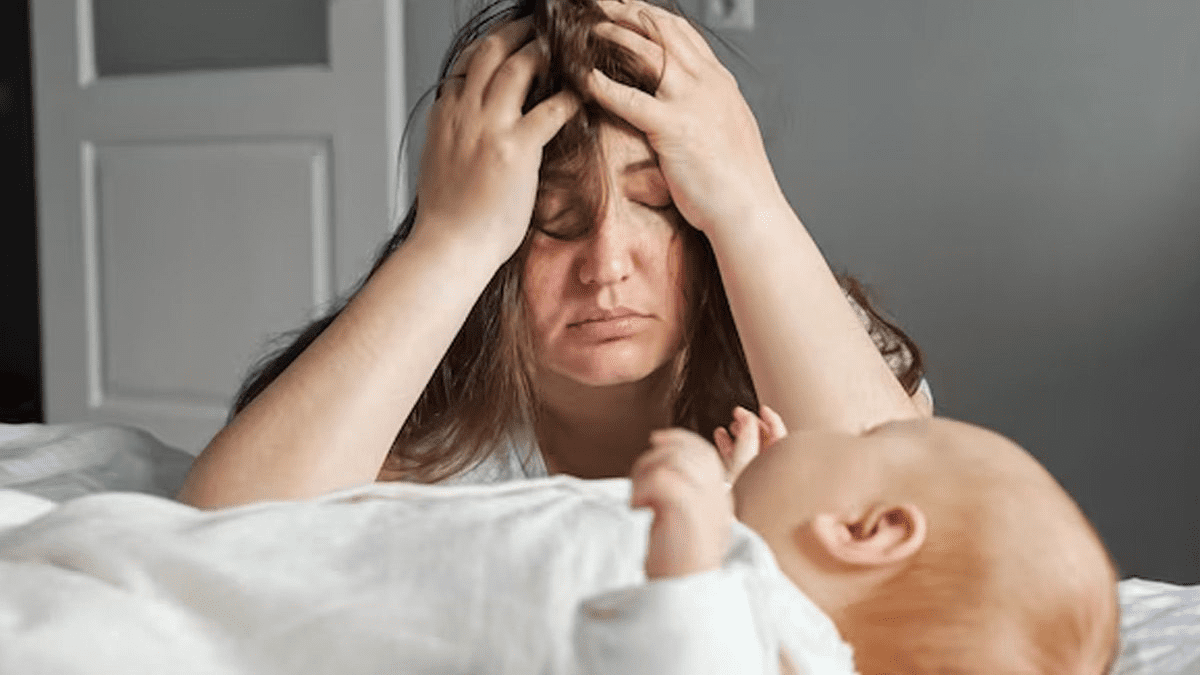
Causes of Postpartum Depression
According to eMentalHealth.ca, postpartum depression affects approximately 12–16% of mothers in Ontario, with rates as high as 25% among teenage mothers. This condition can affect first-time mothers, experienced mothers, and even women who adopt. Key contributing factors include:
- Past Experiences: A history of depression or severe anxiety increases susceptibility.
- High Stress Levels: Support from loved ones is crucial. Stress often spikes when support is lacking or when the baby faces health or developmental issues.
- Societal Pressure: Society often expects mothers to exude happiness and endless energy while caring for their baby around the clock. These unrealistic expectations can amplify feelings of guilt and inadequacy.
It is important to acknowledge that no one feels happy 24/7. Even mothers without postpartum depression experience exhaustion and overwhelm.
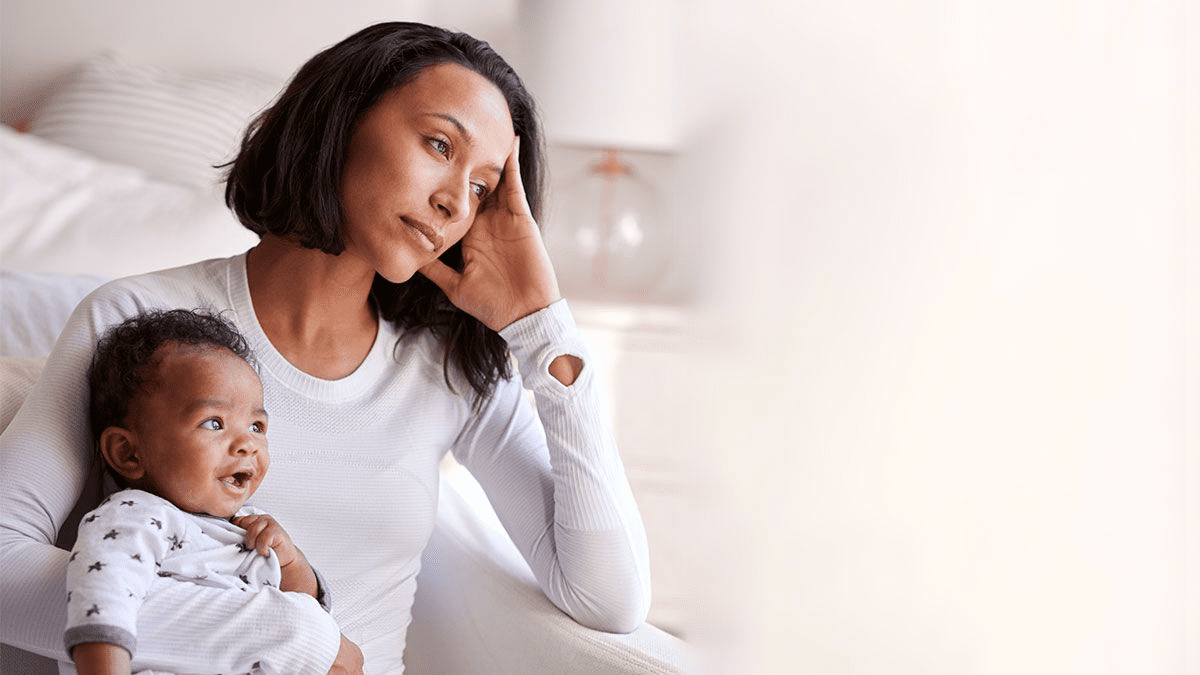
Symptoms and a Personal Story
One Ontario woman shared her experience with eMentalHealth.ca, a non-profit initiative by the Children’s Hospital of Eastern Ontario. After her baby’s birth, she constantly felt sad and cried frequently. Overwhelmed by guilt, she struggled to feel joy about becoming a mother and hid her feelings from others out of fear of judgment. Initially, she managed to conceal her struggle, as neither she nor those around her recognized her symptoms as postpartum depression.
After consulting a doctor and receiving a diagnosis, she began therapy. When her condition did not improve after a few weeks, she started medication and joined a support group for mothers with postpartum depression. Gradually, her guilt subsided, and she realized the problem was not her—it was the depression.
This story highlights the importance of seeking help and understanding that postpartum depression is not a reflection of one’s abilities as a mother. Symptoms of postpartum depression may include:
- Prolonged sadness and mood swings
- Frequent crying
- Difficulty bonding with the baby and feelings of isolation
- Appetite changes (eating too much or too little)
- Sleep problems (insomnia or excessive sleeping)
- Persistent fatigue and lack of energy
- Irritability, anger, and guilt
- Panic attacks, anxiety, and hopelessness
- Thoughts of self-harm or harming the baby
- Suicidal thoughts
Postpartum psychosis is a rare but severe condition that typically develops within the first week postpartum. Symptoms include confusion, intrusive thoughts about the baby, hallucinations, delusions, sleep disturbances, and suicidal or infanticidal tendencies. Both postpartum depression and psychosis require professional intervention.
Myths and Facts
The Ontario Centre of Excellence for Child and Youth Mental Health’s eMentalHealth.ca initiative, co-founded by child and family psychiatrist Dr. Michael Cheng and pediatrician Dr. Amy Martin, aims to debunk common myths about postpartum depression:
- Myth: Only weak or lazy mothers experience postpartum depression.
Fact: Postpartum depression is a physical illness caused by hormonal and chemical imbalances. Strong women seek help when needed. - Myth: Postpartum depression will resolve on its own.
Fact: The “baby blues” may fade within a few weeks, but true depression requires professional treatment. - Myth: Every mother experiences depression after childbirth and overcomes it on her own.
Fact: Without treatment, postpartum depression can have long-term effects, making it harder for mothers and babies to form strong bonds.
Seeking Help: Finding a Way Out
Women in Ottawa can access free postpartum support through Mothercraft Ottawa, located at 475 Evered Ave., Ottawa, ON, K1Z 5K9. The program offers a safe space for women experiencing mental health challenges. Since the pandemic, the group has transitioned to virtual meetings held every Wednesday from 10:00 a.m. to 12:00 p.m. Registration is available weekly via Eventbrite.
The eMentalHealth.ca website provides a comprehensive list of support options for Ottawa women, helping them choose the best solution for their needs.
Self-Care Tips
While caring for a newborn often takes precedence, neglecting self-care can lead to exhaustion and burnout, ultimately making it harder to care for the baby. To reduce the risk of postpartum depression, women in Ottawa are encouraged to:
- Prioritize sleep by napping when the baby naps.
- Incorporate short exercise routines and maintain a balanced diet with regular meals.
- Take daily breaks from parenting duties. This could involve a relaxing bath, a cup of tea with a book, a walk with a friend, or pursuing a hobby while a trusted caregiver watches the baby.
These practices can help prevent the baby blues but are not a substitute for professional care. If symptoms persist, it is crucial to seek help promptly.

Sources: