

Every October, Canada celebrates Women’s History Month, marking its 30th anniversary in 2022. This month serves as a tribute to the women who have shaped Canada’s feminist movement. Learn more about these remarkable stories through ottawanka.com.
Women and the Fight for Rights
The archives at the University of Ottawa Library hold fascinating stories of the first women who dared to enter traditionally male-dominated fields such as law, science, technology, engineering, and mathematics. Their perseverance not only paved the way for their own success but also opened doors for future generations of women. These Canadian trailblazers deserve recognition for their invaluable contributions.
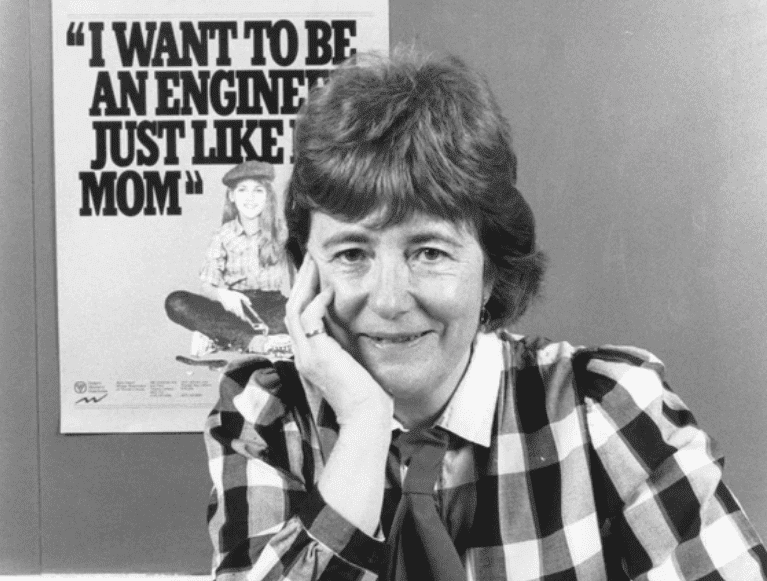
Monique Frize
Monique Frize graduated from the University of Ottawa with a degree in engineering in 1966. Despite the dean’s attempts to dissuade her, she not only completed her studies but went on to earn two master’s degrees and a PhD at other institutions. She became the first woman to receive an engineering degree from the University of Ottawa.
Her career began as a biomedical engineer, developing software to diagnose complications in premature babies and refining methods to detect arthritis using infrared cameras.
In 1989, Frize was appointed to the Nortel-NSERC Chair for Women in Engineering at the University of New Brunswick. Remarkably, she narrowly avoided being present at the tragic École Polytechnique massacre in Montreal, where 14 women were killed.
Frize’s advocacy and research have been widely recognized, earning her the distinction of Officer of the Order of Canada.
Monique Bégin
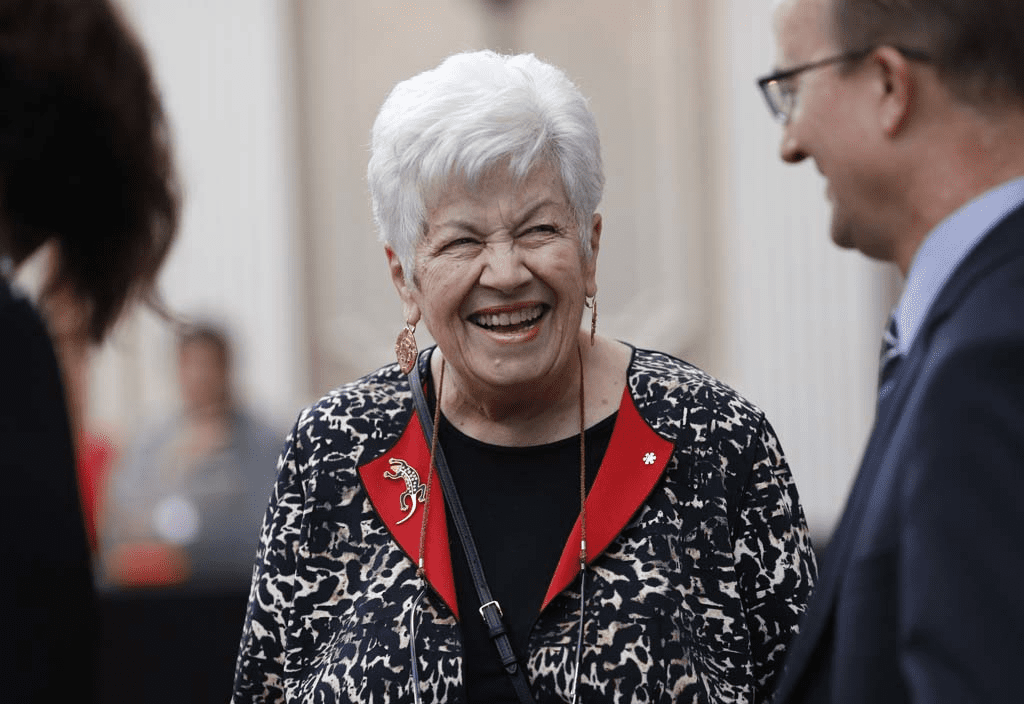
Monique Bégin blazed a trail in politics, receiving a lifetime achievement award from Maclean’s “Parliamentarian of the Year” in 2017.
After studying sociology at the University of Montreal and in Paris, Bégin gained prominence during Quebec’s Quiet Revolution in the 1960s. In 1967, she was appointed Executive Secretary of the Royal Commission on the Status of Women.
In 1977, Pierre Trudeau named her Minister of Health and Welfare. Bégin prioritized pension protections during times of economic uncertainty. After leaving politics in 1984, she transitioned to academia, focusing on women’s studies and healthcare management at the University of Ottawa.
Her memoirs reflect on feminism and encourage young women to analyze patriarchal structures critically.
Valerie Overend
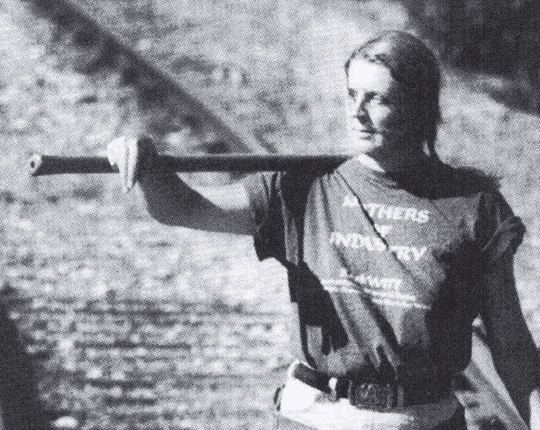
Valerie Overend became Saskatchewan’s first Red Seal Certified Carpenter. Troubled by the absence of women on construction sites, she co-founded the Women’s Work Training Program in Regina in 1995. Over the next 25 years, she mentored women pursuing careers in construction and other non-traditional fields.
Overend’s work received national recognition for advancing women’s inclusion in trades and technology. In 1992, she was awarded the Governor General’s Medal for volunteerism, and in 2005, she received the Saskatchewan Centennial Medal.
Shirley E. Greenberg
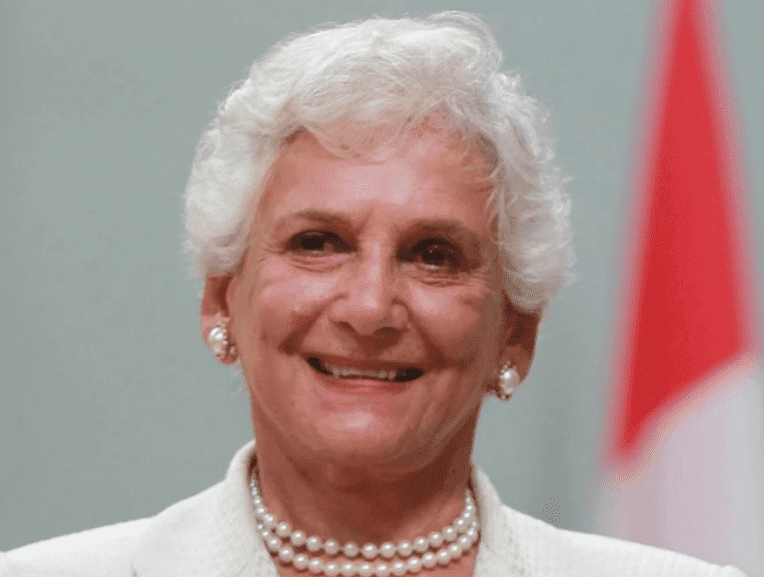
Shirley E. Greenberg, a lawyer and philanthropist, established a women-focused law firm in Ottawa in the late 1970s, helping countless young women lawyers start their careers.
She contributed significantly to women’s empowerment by co-founding:
- The Ottawa Women’s Centre
- The Women’s Career Counselling Centre
- Interval House, a safe haven for survivors of sexual violence
Though she has passed away, Greenberg’s legacy endures through her tireless work in bringing women together to address critical issues.
Jeanne Sauvé
In 1983, Jeanne Sauvé became the first woman Governor General of Canada. Her political journey began in Saskatchewan, followed by education at the University of Ottawa.
Sauvé worked as a journalist and bilingual broadcaster before being elected to the House of Commons in 1972. In 1980, she became the first female federal cabinet minister in Canadian history. Her achievements culminated in her appointment as Governor General.
Gender Equality
In November 2022, Canada took a significant step toward gender equality by approving a 10-year National Action Plan to Combat Gender-Based Violence.
Women’s History Month serves as a reminder of the progress achieved and the challenges women faced to have their voices heard. These stories inspire women and girls today to pursue their dreams despite societal barriers.
Achievements of the Second Wave Feminism
The second wave of feminism, spanning 1960–1985, was a transformative era for women. It was a time of relentless struggle to enter male-dominated fields, overcome stereotypes, and achieve professional recognition.
Beyond individual success, women of this movement built charities, advocated for rights, and fought against sexual violence. The societal and legal advancements of the second wave remain pivotal, inspiring future generations to continue the fight for equality.
 Sources: