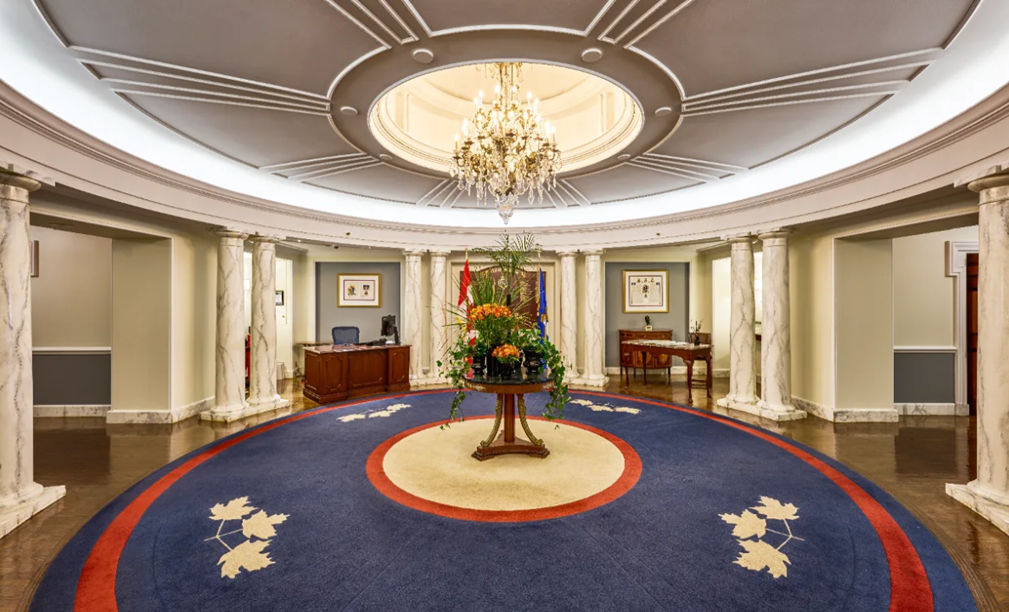

For Ottawa residents, the Rideau Club has always been shrouded in an air of mystery. As Canada’s oldest and most exclusive private club, it is a place where significant political decisions have historically been made behind closed doors. While it began as a strictly male enclave, women finally gained the right to join this prestigious institution in 1979. Ottawanka takes a closer look at the evolution of this storied “gentlemen’s club.”
The Founding of an Elite Institution
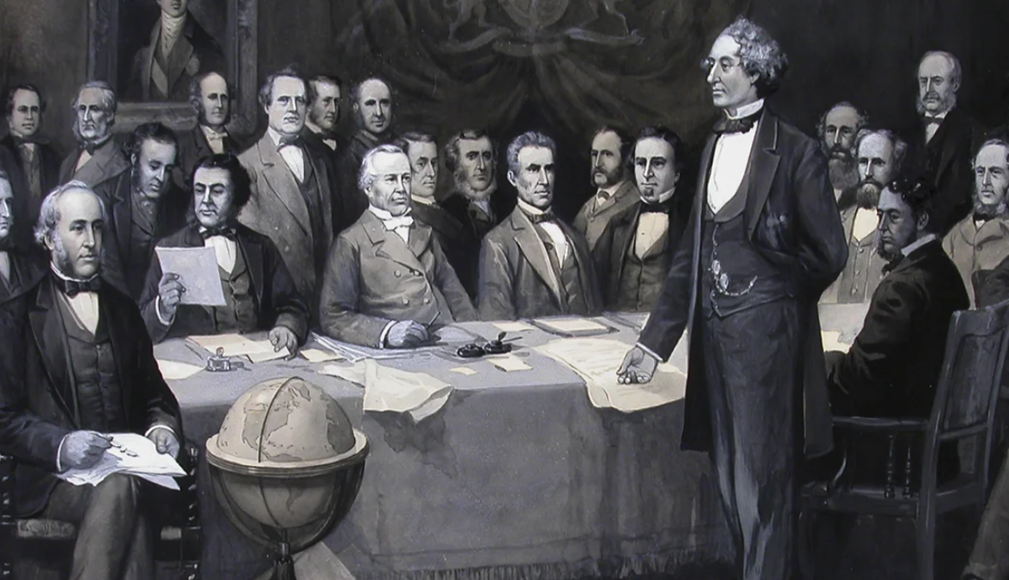
The Rideau Club was established on September 18, 1865, by two titan figures of Canadian politics after receiving royal assent from the Governor General. These founders were Sir John A. Macdonald, Canada’s first Prime Minister, and Sir George-Étienne Cartier. Interestingly, the original petition to create the club featured the names of thirteen “Fathers of Confederation.”
In its early days, the club served as a respectable sanctuary where men could dine, enjoy a drink, and play billiards or cards. More importantly, it provided a comfortable atmosphere for handling sensitive political business. Membership was originally divided into three categories: ordinary, privileged (for those living more than 5 miles from Ottawa), and honorary (reserved for the Governor General and other high-ranking officials).
Finding a permanent home for such a prestigious group was a journey in itself. The club first operated out of a section of Doran’s Hotel at 200 Wellington Street before moving to the Queen’s Restaurant at the corner of Wellington and Metcalfe in 1869. However, prestige did not always guarantee financial stability; in 1871, the club nearly collapsed. Despite high membership fees for the time, the organization was forced to auction off furniture and wine stocks to stay afloat.
The Clubhouse and the “Blackball” Era
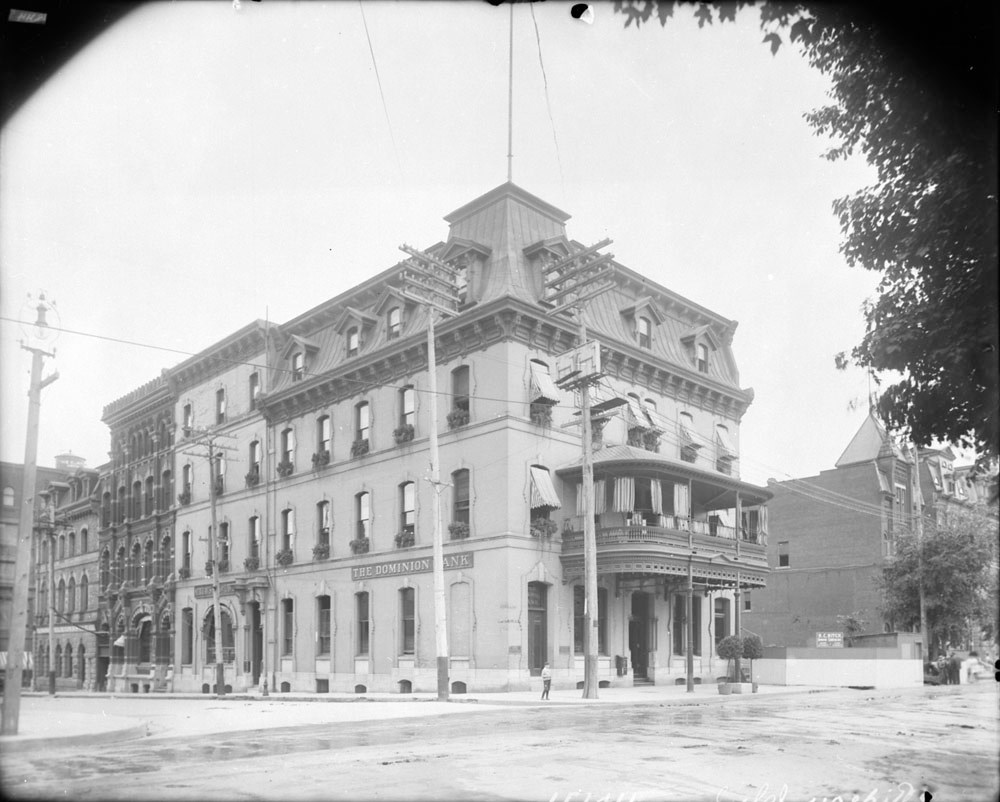
In 1876, the club purchased a Victorian building at 84 Wellington Street from the famous photographer William Topley for $4,000. This address remained the club’s fortress for over a century. To learn more about other historic landmarks in the capital, you can explore the history of Ottawa’s Chateau Laurier Hotel.
The Rideau Club holds a unique spot in North American history as one of the first to abolish the “blackball” system. Historically, membership was decided by an anonymous vote: a white ball meant “yes,” while a single black ball meant “no.” This exclusionary practice was often used to bar Jewish applicants from joining elite circles.
The turning point came when Louis Rasminsky, then Governor of the Bank of Canada, sought membership. When some members tried to block his entry, a massive scandal erupted. Prime Minister Lester B. Pearson and other influential leaders intervened on Rasminsky’s behalf, forcing the club to modernize its rules forever.
Tragedy struck in 1979 when a devastating fire leveled the Wellington Street clubhouse. While the building was lost, members managed to salvage the front doors, a carved pediment featuring the original seal, and a few artifacts like Inuit carvings and silverware. For the next four years, the club operated out of a suite in the iconic Chateau Laurier while searching for a new home.
Breaking the Glass Ceiling: Women at the Rideau Club
The year 1979 was not just significant for the fire; it was the year the club finally opened its doors to women. The road to inclusion was long and fraught with resistance. As early as 1923, a proposal for a ladies’ dining room was rejected, and it was not until 1950 that women were even allowed inside as guests.
Change finally came through a mix of social pressure and government intervention. A group of prominent Canadian women organized a symbolic “Tea Party” protest at the club’s entrance to demand an end to gender discrimination. The federal government eventually stepped in, banning the use of the club for state events until its policies changed.
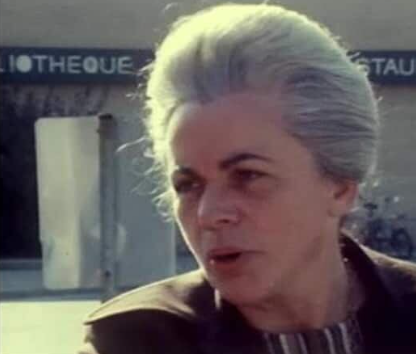
In August 1979, Jean Pigott, a renowned Ottawa politician and businesswoman, became the first female member of the Rideau Club. This milestone reflected broader shifts in world and local culture regarding gender equality in professional spaces.
Modern History: The Club in the 21st Century
By late 1983, the club found its current home: the 15th floor of the Metropolitan Life building at 99 Bank Street. This 27,696-square-foot modern citadel offers stunning views of Parliament Hill. After a period of declining membership in the early 90s, the club reinvented itself by lowering fees for younger professionals and significantly upgrading its culinary and service standards.
Today, the club’s demographic has shifted from the “old guard” to a diverse mix of leaders:
- Honorary members still include the Governor General, the Prime Minister, and the Chief Justice of Canada.
- It serves as a primary hub for informal diplomatic lunches for ambassadors and foreign delegations.
- There is a growing presence of tech entrepreneurs and venture capitalists looking for connections with the public sector.
- Prominent lawyers, cultural figures, and non-profit executives now make up a large portion of the roster.
In the digital age, the Rideau Club provides something rare: a space where leaders can discuss complex ideas without the fear of instant social media judgment. It remains a premier venue for soft influence, where political rivals can share a meal and find compromises that might be impossible to reach under the glare of parliamentary cameras.

Where Tradition Meets Ottawa’s Future
The Rideau Club has successfully transitioned from a conservative enclave into a modern intellectual hub. While it has embraced the 21st century, it retains its core identity as an ecosystem of exclusivity and confidentiality. In a world where face-to-face interaction is becoming a luxury, the club offers a timeless environment where history inspires the next generation of Canadian leaders.