

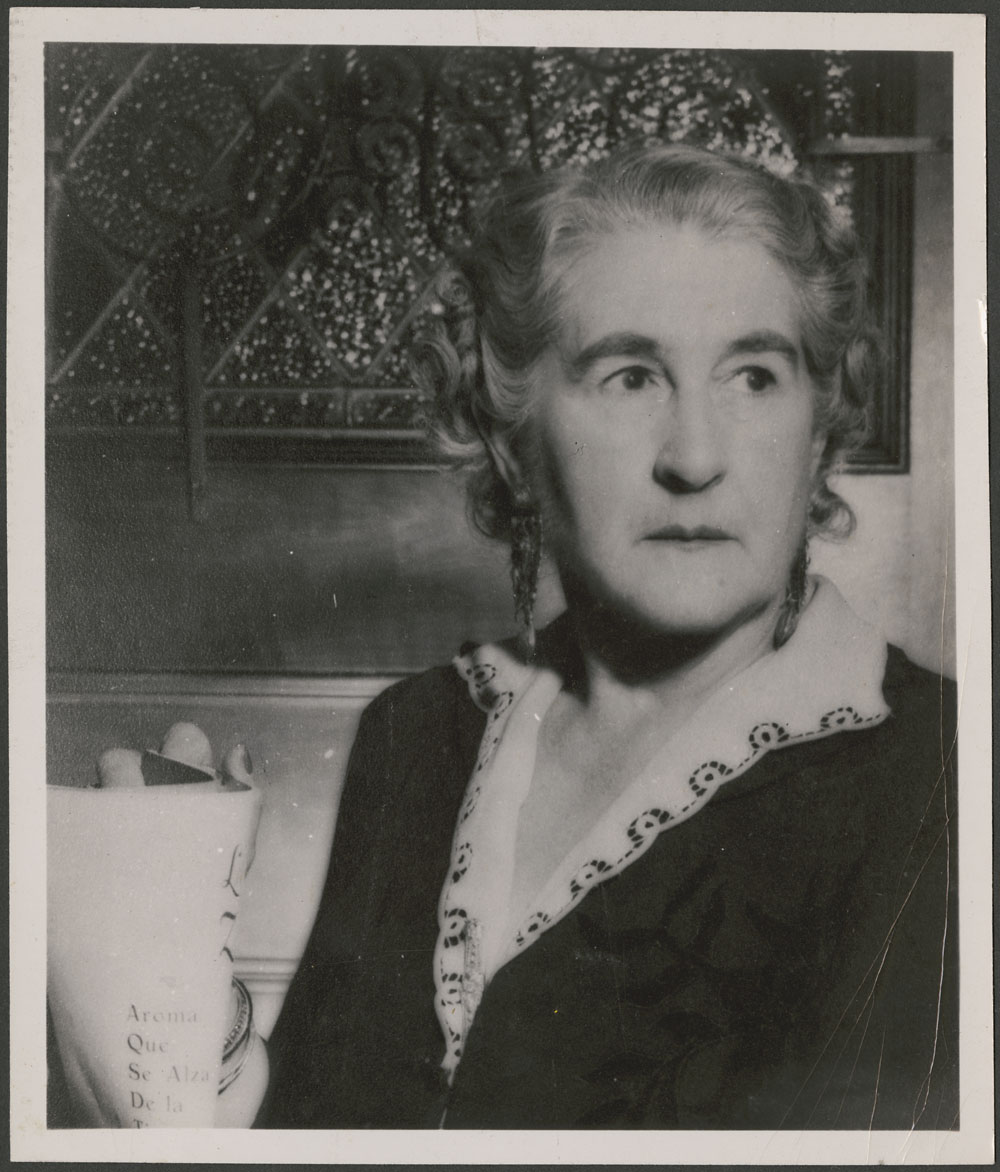
Madge Macbeth was much more than a writer; she was a 1920s style icon and a bold political novelist who wrote under the pseudonym Gilbert Knox. Far from just putting pen to paper, she consistently rattled the cage of conservative Canadian society, balancing her status as a prominent socialite with a sharp, often ruthless satirical voice. As the first female president of the Canadian Authors’ Association (CAA), she became a legendary figure in the capital. Ottawanka dives into the life of the woman who knew every secret the city’s political elite tried to hide.
The Widow Who Broke the Rules
Born Madge Hamilton Lyons in Philadelphia, she was a creative force from childhood, staging plays and editing her own handcrafted newspapers. According to the Library and Archives Canada (LAC) blog, her grandmother, Louisa Hart Maffitt, was a pivotal influence on her development. After moving to Baltimore, Madge was sent to Hellmuth College in London, Ontario, where she quickly made her mark on the school newspaper.
Between 1899 and 1901, Madge toured as a mandolinist and vaudeville actress before marrying civil engineer Charles Macbeth in 1901. The couple settled in Ottawa around 1904. However, tragedy struck just four years later when Charles died of tuberculosis, leaving Madge a widow with two young sons to support.
In that era, a woman of her standing was expected to find a new husband and settle into a domesticity life. Society had already written her script, but Madge refused to follow it. Instead, she chose the typewriter over tradition, launching a career as a professional writer.
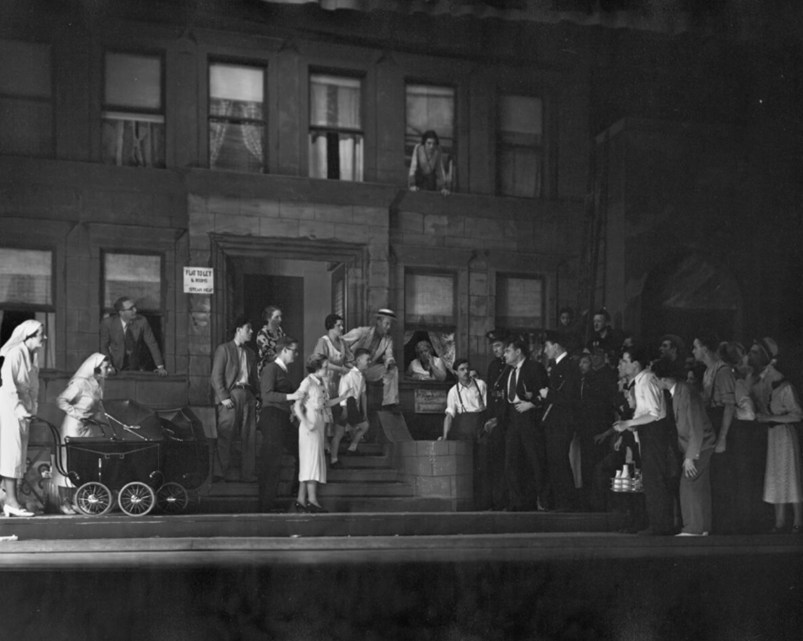
What’s truly remarkable is that she became one of the first women in Canada to earn a living solely through literature. Her journey began with short stories in Canada West and Canadian Magazine, followed by her debut novel, The Winning Game, in 1910. Madge was a quick study, mastering the art of writing what the public wanted to buy. She also played a key role in the cultural scene as a co-founder of the Ottawa Little Theatre.
The Mystery of Gilbert Knox
In the 1920s, Ottawa functioned like an exclusive private club. Breaking into the upper echelons of power was difficult, and being cast out for a slip of the tongue was all too easy. Madge knew that if she published her scathing critiques under her own name, the doors to the city’s grandest drawing rooms would slam shut. Thus, Gilbert Knox was born—a literary phantom and reputation-shredder whose very name made politicians break into a cold sweat over their morning coffee.
Writing as Knox, Madge utilized political satire to cloaking real-life figures under fictional names. The disguises were so thin that reading her work became a city-wide game of “guess who.” For months, Ottawa turned into a giant detective agency, with whispers echoing through the halls of Parliament Hill:
“Did you see how Knox described the Minister? That’s definitely Sir William!”
Her satire was lethal because it targeted the establishment’s most vulnerable spots:
- She exposed how government posts were handed out based on the “right” last name or a strategic marriage rather than merit.
- She mocked the wives of diplomats and politicians who gossiped about the price of hats while the country sat in desperate need of reform.
- She revealed how “honourable” gentlemen carved up the federal budget over glasses of expensive sherry.
The Must-Read Novels of an Era
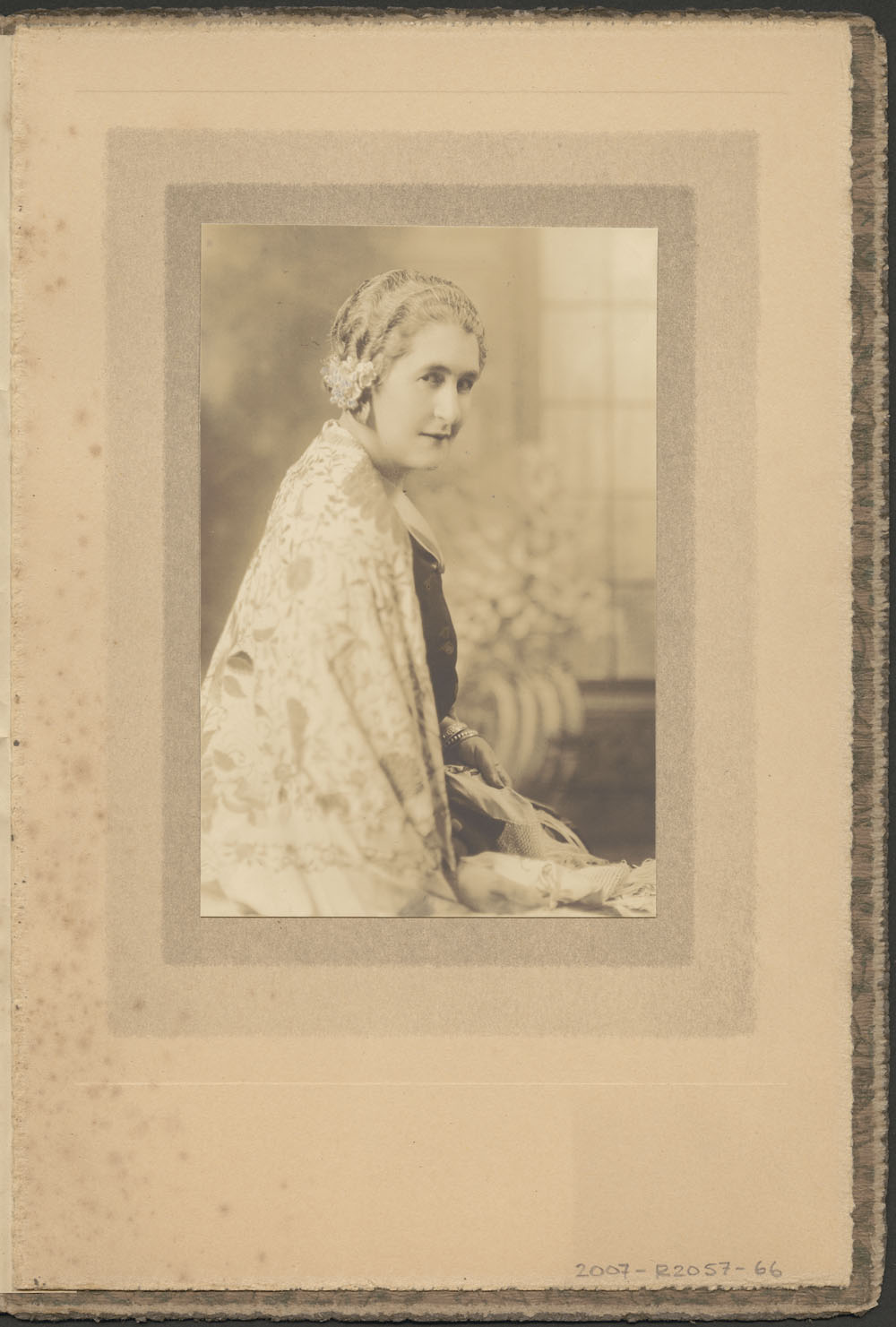
- Published in 1924, The Land of Afternoon was a political satire that the elite because “Knox” knew too many intimate details of their daily lives. It proved there was a traitor in their midst. Madge achieved the impossible: she wrote a bestseller that forced the city to look in the mirror, all while remaining the star of every gala.
- Shackles (1926): One of her most famous works, this novel captured the first wave of Canadian feminism. Following middle-class protagonist Naomi Lennox, the story highlights the struggle for professional respect and freedom within the confines of marriage and the church.
- The Kinder Bees (1935): Another razor-sharp look at Ottawa’s high-society circles and the political machinations behind closed doors.
- Over My Shoulder (1953): A nostalgic and humorous collection of memoirs charting Ottawa’s evolution from a provincial town into a sophisticated political capital.
- Boulevard Career (1957): An autobiographical reflection on her path through journalism and literature, analyzing the challenges faced by women in the mid-20th-century media landscape.
Shattering the Glass Ceiling
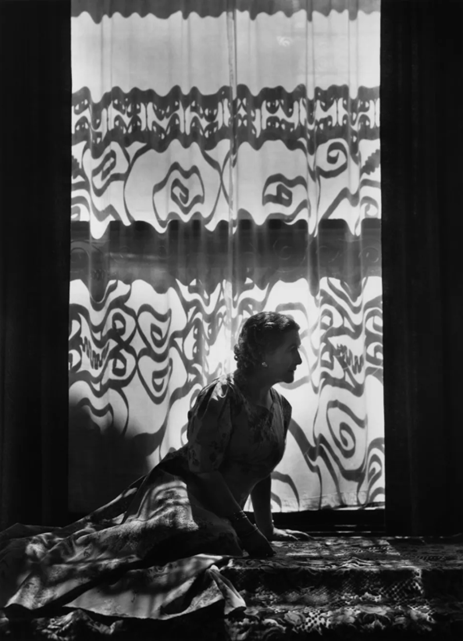
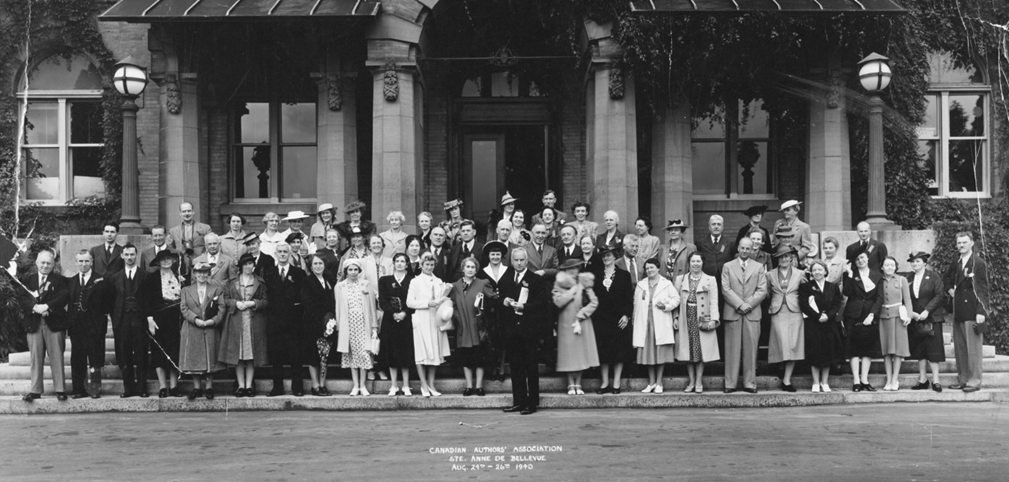
From 1939 to 1941, Madge Macbeth served as the President of the Canadian Authors’ Association—making history as the first woman to lead the organization. Her influence extended further as she presided over the Ottawa Drama League and the Ottawa Women’s Press Club.
During the 1950s, she penned the “Over My Shoulder” column for the Ottawa Citizen, often acting as her own photographer. Her readers were treated to inside looks at diplomats, princesses, and the glamorous debutantes attending the city’s most exclusive events.
Adventure as an Escape from Routine
Madge was a woman who lived life at full throttle. In an age when ladies were expected to stick to needlework and polite conversation about the weather, her life was a masterclass in defying social norms. Today, she was a precursor to the modern travel influencer; instead of Instagram posts, she filled magazines and novels with her global exploits.
While others feared the cold, she headed to the Yukon to experience the rugged heart of Canada. At a time when a woman traveling alone was a scandal, she trekked through South American jungles, immersing herself in cultures that seemed worlds away to most Canadians. She didn’t just collect souvenirs; she gathered raw, lived experiences that gave her writing its unique pulse.
The contrast was staggering. One week, she was dazzling at a diplomatic reception, cocktail in hand, navigating the threads of political intrigue. The next, she’d swap her corset for a hiking jacket and her heels for heavy boots, trading dinner with the Prime Minister for a meal cooked over a campfire in the wilderness.
A Symbol of Intellectual Freedom
When Madge Macbeth passed away in 1965, she left behind a legacy as Ottawa’s premier literary trailblazer. She was a pioneer of independent authorship—a self-made woman who proved that intellect could be a winning bet even in a world stacked against her. Modern Gen Z and Millennials, who prize autonomy and personal branding, find a kindred spirit in Madge’s story.
Her courage to criticize the system and her refusal to chase cheap popularity remain inspiring. The issues she raised—identity, the role of women in society, and the work-life balance—are just as relevant today as they were a century ago. Madge Macbeth didn’t just live in her time; she lived ahead of it, waiting for future generations to finally catch up.
Sources: