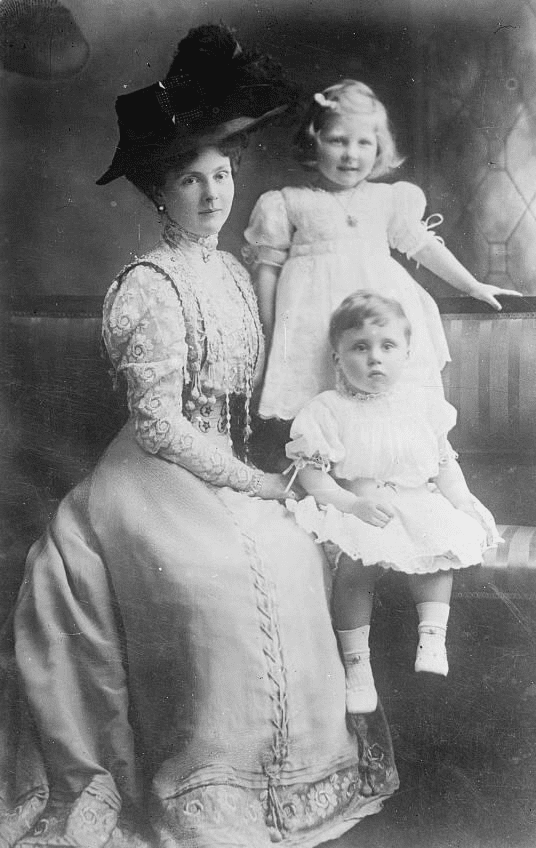

The stories of princes and princesses have always captivated imaginations. Among them is the tale of Princess Alice, the granddaughter of Queen Victoria through the male line and the wife of the Earl of Athlone. This narrative explores the connection between Princess Alice and Ottawa. Learn more about her life and legacy on ottawanka.
Princess Alice and Ottawa
Princess Alice, Countess of Athlone, was a member of the British royal family and one of the longest-living royals, having lived to the age of 98. Her life began at Windsor Castle.
She played an active role in Ottawa’s civic and cultural life:
- Patronage: She served as a patron of prominent local organizations, including the Canadian Red Cross, the Ottawa Hospital, and the National Gallery of Canada.
- Opening Ceremonies: She inaugurated several significant landmarks in Canada’s capital, such as the National War Memorial and the Ontario Legislative Building.
- Leadership: During World War II, she organized and led the Athlone Women’s Volunteer Corps, which provided crucial support to Canadian military personnel.
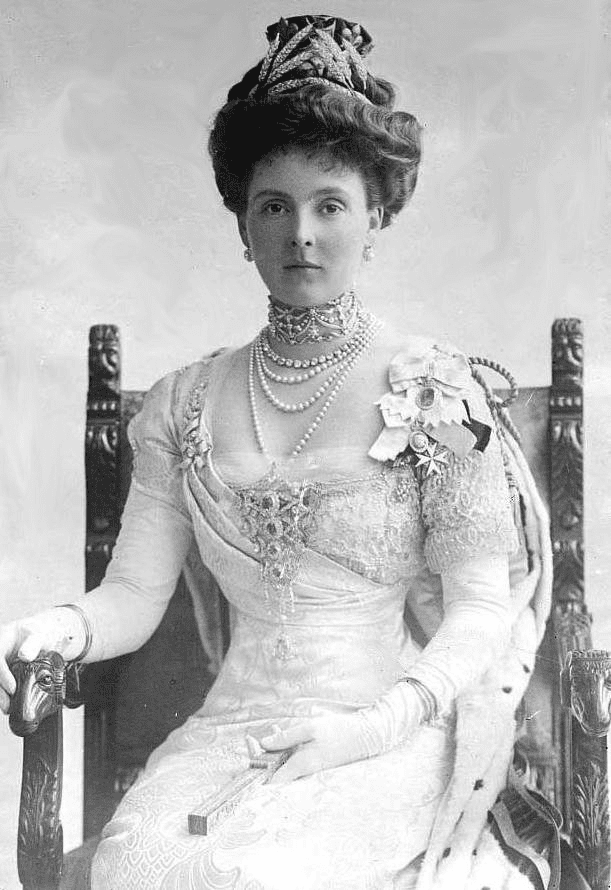
Philanthropy
Princess Alice’s kindness, generosity, and dedication to service earned her immense respect and popularity in Ottawa.
She actively participated in numerous charitable organizations and philanthropic initiatives. In her memoirs, she reflected on her work with the National Adoption Association, established in 1917.
Notably, Princess Alice was the first member of the British royal family to advocate for access to contraception and family planning. In 1933, she became the patron of the Malthusian Ball, an event organized by the International Birth Control Movement, which campaigned to raise awareness about family planning methods.
Life in Ottawa
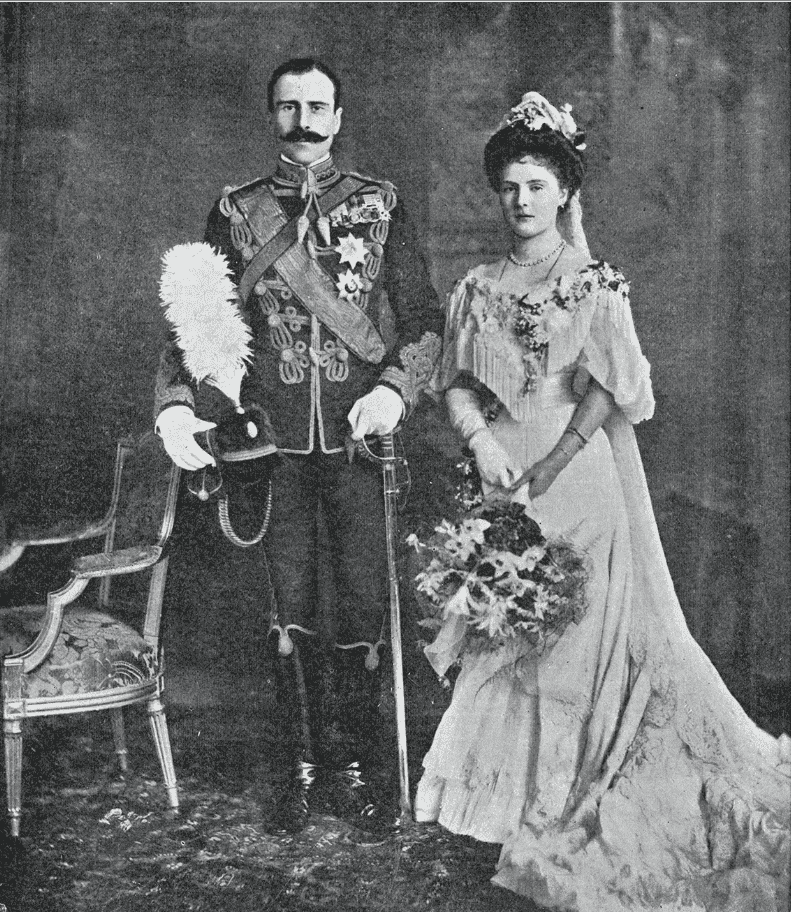
Princess Alice and her husband, the Earl of Athlone, resided at Rideau Hall in Ottawa from 1940 to 1946. The Earl served as the Governor General of Canada during these years. The couple married on February 10, 1904, at St. George’s Chapel in Windsor. At that time, Alice married her third cousin, both descendants of King George III. The couple had three children: Princess May of Teck, Prince Rupert of Teck, and Prince Maurice Francis George of Teck.
During the war, the couple also cared for their three grandchildren: Anne, Richard, and Elizabeth. In 1966, Princess Alice published her memoirs titled For My Grandchildren.
As the Viceregal Consort of Canada, Princess Alice strongly supported wartime efforts:
- Honorary Commander: She led the Women’s Royal Canadian Naval Service, which included over 7,000 women serving in various roles at sea and on land.
- Aviation Division: As Honorary Air Commandant of the Women’s Division of the Royal Canadian Air Force, she supported over 17,000 women serving as pilots, navigators, engineers, and specialists.
- Medical Leadership: She served as President of the Nursing Division of the St. John Ambulance Brigade, providing medical aid to soldiers and civilians.
Beyond her formal roles, Princess Alice frequently visited military hospitals and camps to encourage soldiers and raised funds for military organizations.
After the Earl of Athlone’s term as Governor General ended, the couple chose to remain in Ottawa, charmed by the city and its people. They made their home in Ottawa comfortable and cherished their time in Canada, deeply connecting with the country and its citizens.
Princess Alice was laid to rest in the Royal Burial Ground at Frogmore, a cemetery reserved for British royalty.
Legacy of Princess Alice
Princess Alice left an indelible mark on Ottawa’s history.
- Princess Alice School for Girls: In 1943, she established one of Ottawa’s most prestigious schools. The institution was renowned for its academic excellence, fostering leadership and community responsibility in its students.
- Youth Leadership Fund: In 1946, she created a fund to promote youth leadership, using money gifted to her by Canadian women. Cairine Wilson, Canada’s first female senator, led the fund and raised $50,000 for scholarships to support promising young leaders.
- Monument: In 1952, a statue commemorating Princess Alice was erected in Ottawa as a testament to her dedication and the deep respect of its citizens.
- Named Places: A street and park in Ottawa bear her name, further cementing her influence in the city.
These examples of Princess Alice’s legacy highlight her profound contributions to Ottawa’s life. Remembered as a committed public servant, she demonstrated genuine interest in the city and its people, serving as a role model for Canadian women and a leader in every sense of the word.