

Sometimes, a child or teenager cannot live with their family for various reasons. In such cases, adoption becomes a way to create a loving and permanent family. Learn more about the process and its specifics, as shared by ottawanka.com.
Home Study Program
The Home Study Program lasts for two years and is an essential step toward becoming a foster parent. If a child is not matched within this time, the program, interviews, and supporting documents must be renewed. Families must update their home history if significant changes occur, as adoption workers need to stay informed.
Once the home study is approved, the next step is to register a family profile on the AdoptOntario website. This platform contains profiles of children across Ontario awaiting adoption. Prospective foster parents can submit interest forms for children they wish to consider adopting.
Ottawa Children’s Aid Society and Volunteering
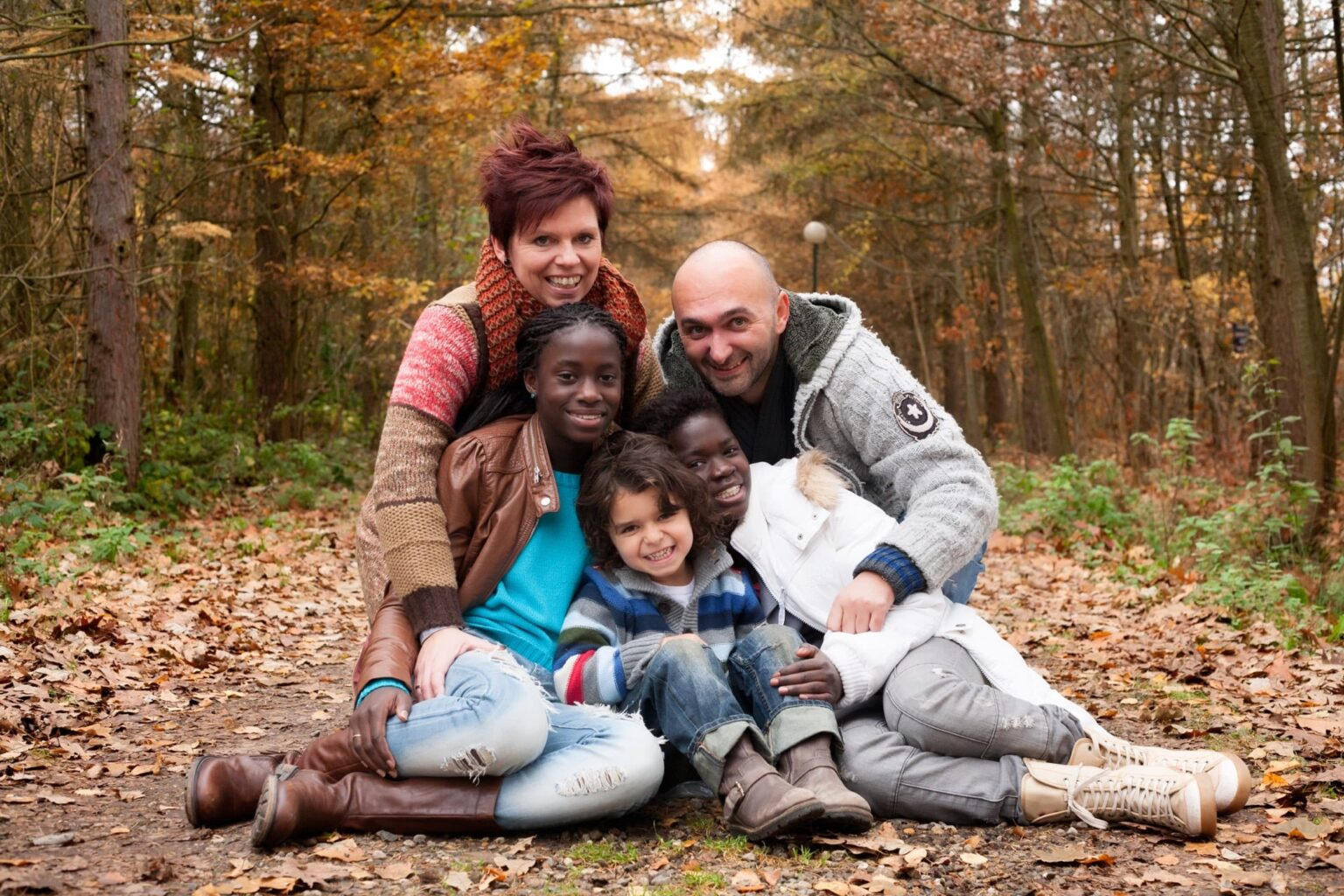
The Ottawa Children’s Aid Society is a non-profit organization funded by the Ontario government. It collaborates with community partners, service providers, children, and youth to strengthen families and communities. Its mission is to meet the physical, social, and emotional needs of children and teenagers.
Residents aged 18 and older can volunteer with the organization without requiring specific skills. Interested individuals must complete an application and agree to regular or occasional volunteer commitments. The society schedules interviews with potential volunteers, conducts background checks, and requires a confidentiality agreement.
Volunteers provide essential support to children, youth, and families in various ways, including:
- Tutoring and educational assistance
- Transportation services
- Accompanying children to medical appointments
- Mentoring and emotional support
- Administrative and clerical help

How to Become Foster Parents in Ottawa
Becoming foster parents in Ottawa involves several steps, including attending information sessions, completing an application package, undergoing a home study assessment, and completing PRIDE (Parent Resources for Information, Development, and Education) training.
The primary requirement is the ability to provide a safe and stable home for a child. Applicants must live in the Ottawa area, be of legal age, maintain good health, and demonstrate financial stability.
Common Questions:
- Can single individuals adopt?
Yes, single individuals can adopt. The process involves assessing their support systems and ability to meet a child’s needs before applying. - Are there income requirements for adoption?
There are no minimum income requirements, but a financial assessment is part of the home study process. - Can stepchildren or relatives be adopted?
Adoption of stepchildren or relatives requires filing a court application. A family lawyer or the Family Law Information Centre can provide guidance. - Can siblings be adopted together?
Yes, siblings can be adopted simultaneously. However, adopting unrelated children usually requires completing one adoption process before initiating another.
Potential costs include police record checks, medical certificates, and legal fees for consultation on openness agreements. Additional services and psychological support may be needed for children with special needs.

Adoption and Contact with Birth Families
Children have a right to know their origins and the reasons behind their adoption. Maintaining contact with birth families is encouraged to help children understand their identity and heritage.
When foster parents support this openness, it strengthens the child’s sense of belonging. The Ottawa Children’s Aid Society advocates openness whenever possible, as it reduces loss and aids personal development.
However, birth parents are not obligated to share identifying information. Mutual agreements between birth and adoptive families can allow for photo and card exchanges if both parties consent.
Key Differences Between Foster Care and Adoption:
- Foster care is typically short-term or temporary, aiming for reunification with the birth family.
- Adoption is a lifelong commitment, offering permanency to the child.
While the Ottawa Children’s Aid Society focuses on recruiting foster families, these families can care for children for an indefinite period—from a few days to several years.
Foster Parents and Support Services
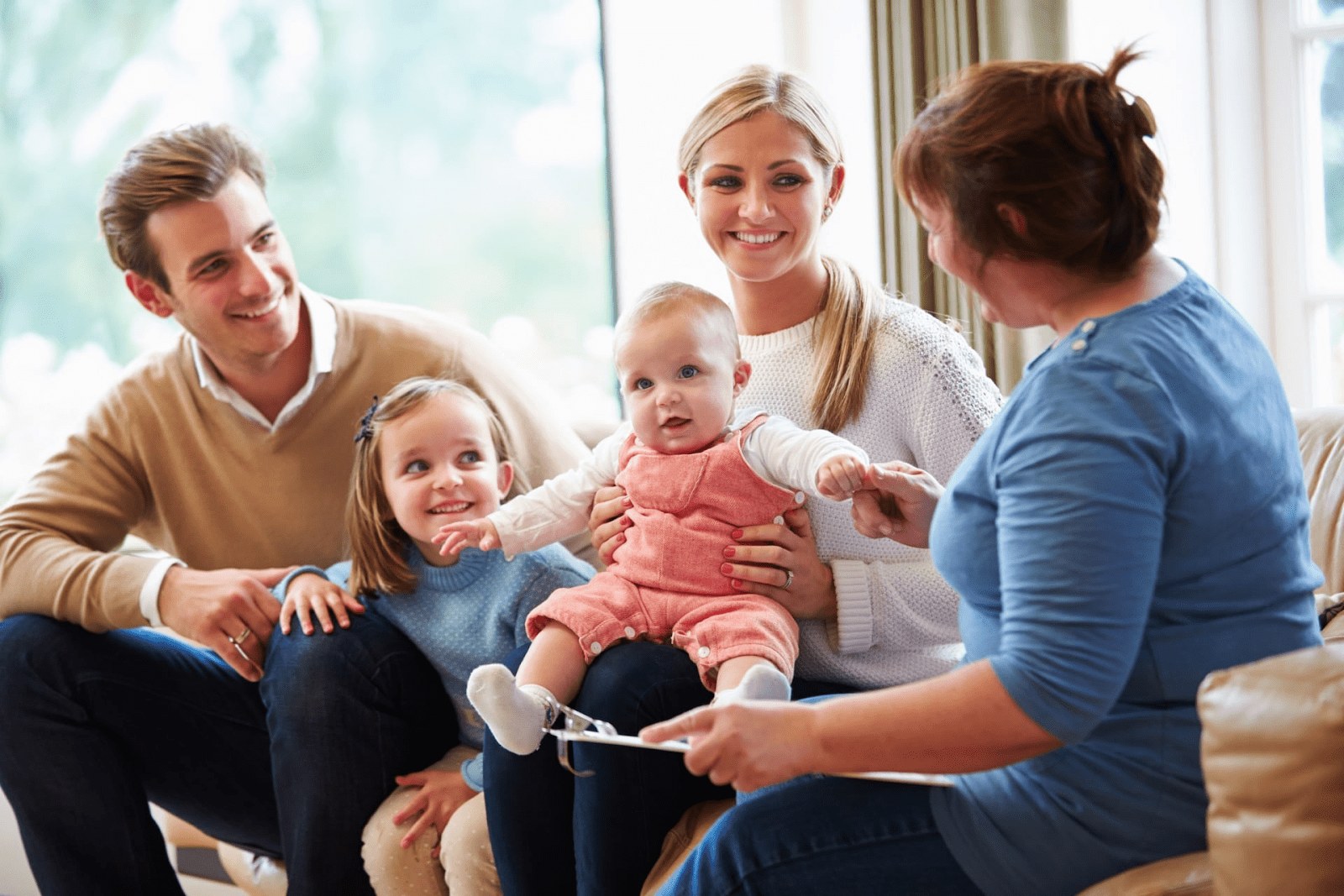
Foster parents receive significant support, including:
- A dedicated support worker for guidance
- A 24/7 helpline for children and youth
- Assistance during illness or emergencies
- Financial reimbursement for clothing, medical/dental care, and recreational activities
- Access to initial and ongoing training programs
Foster parents may face challenges such as addressing past trauma, abandonment issues, identity struggles, or social and emotional difficulties. Teenagers, in particular, may struggle with trust and forming bonds with their foster family due to previous negative experiences.

Common Mistakes and Challenges
Some common challenges include:
- Expecting immediate adaptation: Unrealistic expectations can lead to frustration and conflict.
- Comparing foster children with biological children: This can hurt the foster child’s feelings and damage their self-esteem.
- Being unprepared for the complexities of fostering: Without understanding child psychology and developmental needs, difficulties may intensify.
- Feeling isolated: Fear of judgment or misunderstanding can lead to a sense of isolation for foster families.
Love and Support
Foster families should be aware of “post-adoption depression,” a lesser-known counterpart to postpartum depression. Symptoms may include sadness, anxiety, guilt, or lethargy. If these symptoms persist for more than two weeks, professional help is recommended.
Despite its challenges, fostering a child is a rewarding journey. With patience, love, and support, Ottawa’s foster parents can provide children with the happy childhoods they deserve.
Sources: