

Margaret Atwood is a celebrated Canadian author, poet, and literary critic who gained fame for her immense contributions to national literature, the feminist movement, and environmental activism. She was born in Ottawa in 1939 and has been an active member of the literary community for many years. Atwood is recognized as one of the most influential writers of her time, with many of her works translated into more than 40 languages. For her contributions to Canadian literature and culture, she has received numerous prestigious awards and honours in the fields of arts and literature. More about her life and work can be found on ottawanka.
Writing in Margaret Atwood’s Life
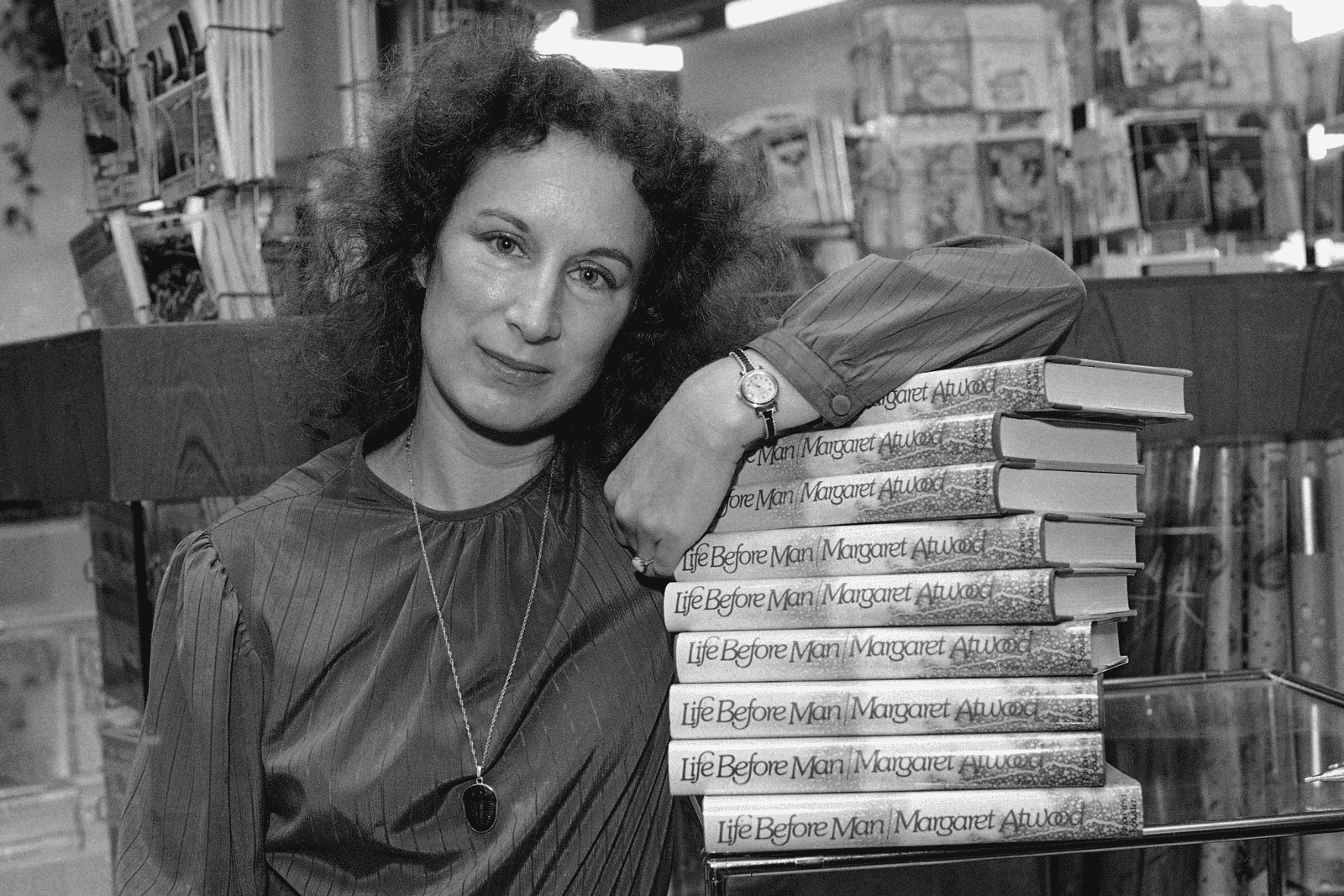
From a young age, Atwood displayed a keen interest in creativity and literature. At the age of six, she wrote her first poems and plays. She was deeply inspired by Grimm’s fairy tales, American comics and books published by Dell Publishing Company, and Canadian animal stories. Despite literature accompanying her from an early age, it wasn’t until she turned 16 that Atwood decided to dedicate her life to writing.
Development of Margaret Atwood’s Career

Atwood’s literary career began with the publication of her first poetry collection, Double Persephone. Her work received high praise from both critics and readers. She was awarded the prestigious E. J. Pratt Medal, named after the influential Canadian poet, for this collection.
Following this success, Atwood continued writing new works. During the 1960s, she published several key pieces:
- The Circle Game
- Kaleidoscopic Baroque: A Poem
- Language for Dr. Frankenstein
- Animals in That Country
- The Edible Woman
Atwood’s novel The Edible Woman marked her debut as a novelist. This book is a satirical critique of North American consumerism. Many critics viewed it as an early exploration of feminist themes, concerns that appeared frequently in Atwood’s works from the 1960s. Her early writing often focused on nature and Canadian landscapes. The shift to feminist and social themes came later.
During the 1970s, Atwood dedicated much of her attention to poetry, releasing six collections during the decade, including the iconic The Journals of Susanna Moodie. These collections established Atwood as a prominent voice in Canadian literature during the 20th century.
Atwood’s most famous work, The Handmaid’s Tale, was published in 1985. This novel depicts a dystopian future where women lose their rights and are forced into servitude as surrogates for the elite. The book gained immense popularity and was adapted into a television series by Hulu and HBO Max in 2017. The show received widespread acclaim, with over 92% of viewers rating it positively.
Atwood’s literary repertoire extends far beyond The Handmaid’s Tale. Some of her other significant works include:
- Cat’s Eye
- Alias Grace
- The Blind Assassin
Her nonfiction books, such as Survival: A Thematic Guide to Canadian Literature and Negotiating with the Dead: A Writer on Writing, are also highly regarded for addressing issues like women’s rights, environmental conservation, and societal progress.
Beyond her literary achievements, Atwood has been an outspoken advocate for environmental and human rights. She has actively participated in various activist movements, including anti-nuclear campaigns and efforts to combat climate change.
Margaret Atwood’s impact on Canadian literature and culture is undeniable. Her works have shaped generations of writers and readers, and her commitment to social justice has inspired countless activists. Through her profound literary talent and advocacy, Atwood has left an enduring mark on Canadian and global culture.