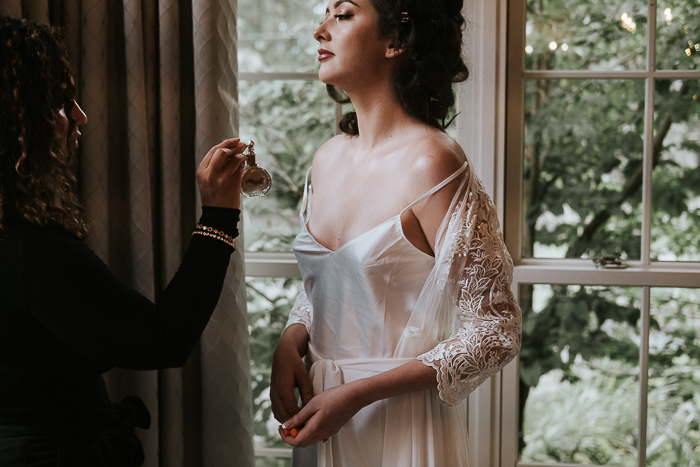

Weddings have always been a cornerstone, bringing families and communities together. But what was a wedding in 19th-century Ottawa really like? While traditional Christian views on marriage dominated Canadian society, the post-World War II era brought significant changes. For a deeper dive into this fascinating history, visit ottawanka.com.
General Trends
Some aspects of traditional 19th-century Ottawa weddings varied based on social status and ethnic background, but let’s explore the general trends.
Courtship and proposals back then were far from spontaneous. Young people’s interactions were closely supervised by family members, typically at church or public gatherings. Parents kept a watchful eye during strolls, sleigh rides, and other outings, ensuring propriety was maintained.
A unique tradition was the “shared strolls” of courting couples. The Library and Archives Canada even preserve a series of engravings from 1868 depicting a couple on a sleigh ride near Montmorency Falls. These public outings offered a rare chance for couples to build emotional intimacy. They could exchange gifts – perhaps a poem, a song, or even a piece of jewellery. However, if the gift was valuable, parental consent was a must.
Before the late 1880s, parental consent was absolutely essential. Modern Ottawans might find this shocking, as today, the decision rests solely with the couple. While true, back then, parents had the right to refuse a match if they felt it wasn’t in their child’s best interest. Occasionally, young women defied their parents, choosing to marry against their wishes, but this often meant risking estrangement from their families.
Religious differences were another significant hurdle for couples. Marriage was seen as a sacred institution, and Christianity, encompassing Catholicism and various Protestant denominations like Anglicans and Methodists, played a central role in Canadian society. Each church had its own rules. For instance, the Catholic Church had strict requirements for Catholics marrying outside their faith. Beyond church doctrine, social pressure was immense, and interfaith marriages could be a source of tension and alienation. Even in Ottawa, where religious groups were more mixed, interfaith couples still faced considerable obstacles.
One more point worth highlighting: many relationships simply couldn’t survive the distance. In an era where letter-writing was the only means of communication, some couples courted and corresponded for years before finally tying the knot.
Marriage Itself
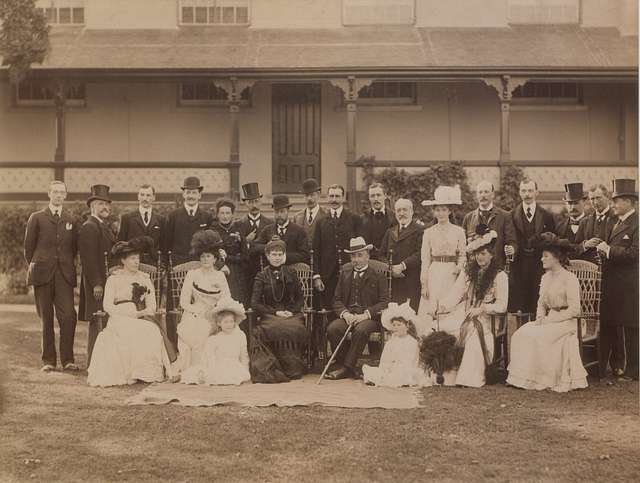
Marriage was more than just an act of love; it was a public affair that united friends and family. It also held significant legal weight. While laws varied slightly between Upper and Lower Canada, the state eventually took steps to regulate marriage.
What was Ottawa like in the 19th century? It was a small village that gradually grew into a town. Children were born into stable families. Young people attended schools and churches together, and community members socialized and enjoyed leisure activities. These gatherings were often where young people met, leading to courtships and eventually, marriages.
The term “courtship” back then referred to the development of a “special friendship.” The stakes were high, both economically and socially, as marriage meant the merging of two families. Parents urged their children to take their time and ensure they were making the right choice.
Marriage ushered a couple into a new social sphere. For the middle class or wealthy, this meant formal calls and visits to relatives. These visits could last for weeks or even months. Travel was difficult before the advent of railways, so pinpointing exact durations was challenging.
19th-Century Ottawa Wedding Ceremonies
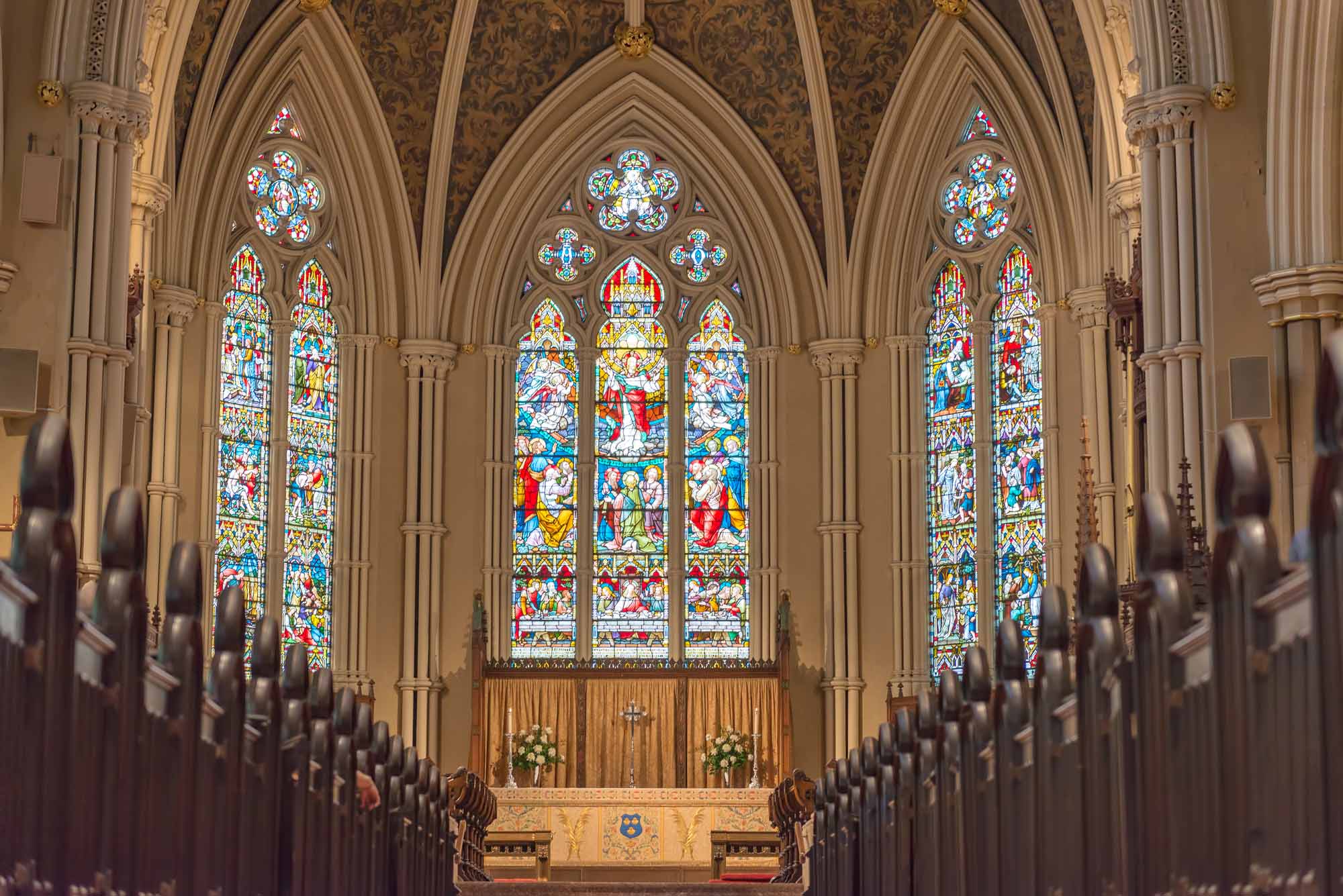
Ceremonies traditionally took place at the bride’s home and were usually short affairs. While home ceremonies were an important part of a wedding, by the end of the century, church weddings became increasingly popular.
The ceremony itself was generally quite simple. It typically involved readings from the Holy Scripture, followed by the couple exchanging vows while holding hands.
And what about the bride’s dress? The white wedding dress, symbolizing purity, gained popularity after Queen Victoria’s wedding in 1840, though it took some time to become widespread. For many Ottawans, spending a large sum on a dress to be worn only once was impractical, and simply not everyone could afford it.
The Honeymoon
Today, honeymoons are synonymous with a romantic getaway for the newlyweds. In 19th-century Ottawa, that wasn’t the case. Newlyweds often travelled with their parents. This was common for couples with sufficient income to travel. After 1850, however, the practice of a post-wedding vacation began to spread across all social strata.
The purpose of the honeymoon also changed. Initially, it was a form of social visits, where the married couple traveled with their parents to call on friends and relatives in distant communities. By the end of the century, the honeymoon had evolved into a private vacation for the newlyweds.
Divorce
Before World War II, divorce in Canada was generally rare. This was largely due to strong social and religious condemnation. Access to divorce in Canada was severely limited until 1968. The sole ground for divorce at the time was adultery. In Ontario, divorce courts were established during the interwar period. In provinces where judicial divorce wasn’t an option, the alternative was to petition Parliament for a private act of divorce – a costly process only accessible to wealthy citizens.
Canadians who couldn’t or wouldn’t pursue these options sometimes opted for divorce in American jurisdictions or legal separation. While these decisions held no legal weight in Canada, they often satisfied public opinion.
What Has Changed?
Before the First and Second World Wars, Canadian society largely adhered to the Western marriage model, characterized by relatively late marriages and friendly unions, with a significant portion of couples remaining unmarried. Statistics show that 9 out of 10 Canadians married at least once in their lifetime. The average age for brides was between 20 and 25, and for grooms, between 25 and 29.
Here are some key changes that emerged after World War II:
- Shifting Gender Ratios: During periods of high immigration and in frontier regions, men outnumbered women. However, after 1850, women became more prevalent in industrial cities across central Canada.
- Age Differences: Men often married women who were significantly younger.
- Economic Expectations: A man was expected to be financially capable of supporting his wife and children.
While 19th-century Ottawa weddings had their unique advantages and disadvantages, a great deal has changed since then. For instance, in the 21st century, couples are no longer pressured into formal marriage, and in 2005, the federal Civil Marriage Act legalized same-sex marriage nationwide. The number of common-law couples has also increased significantly, with partners living together for at least a year now enjoying the same legal and tax rights and obligations as married couples.