

Breast cancer in Ottawa is a serious condition, but it can be treated—especially if caught in its early stages. Women in the city have many healthcare facilities available for screening. Learn more at ottawanka.com.
Breast Cancer: Risks and Symptoms
This disease occurs when cells in the breast begin to multiply uncontrollably, forming a tumour that can spread to other parts of the body. Several factors raise the risk of developing breast cancer:
- Women aged 50 or older face higher risk.
- Certain genetic mutations increase the likelihood of breast cancer.
- Family history matters. For example, if relatives have been diagnosed with breast cancer, the risk is significantly higher.
- Hormonal factors, such as early or late menstruation and hormone replacement therapy, can increase risk.
- Lifestyle factors can also contribute, such as an imbalanced diet, lack of physical activity, being overweight, or other unhealthy habits.
Women are often concerned about the symptoms of breast cancer. In the early stages, symptoms might be absent. One of the most common signs is a lump or nodule in the breast. Other symptoms include discharge from the nipple (other than breastmilk while nursing), changes in the shape or size of the breast, redness or flaking of the breast skin, dimpling of the skin or nipple, and breast pain.
It’s worth noting that in Ontario, breast cancer has one of the highest survival rates among all types of cancer.
Screening Frequency
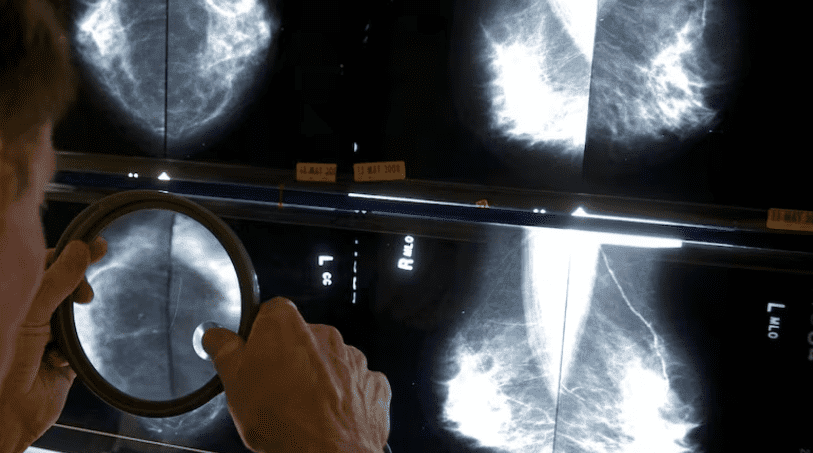
Several methods detect breast cancer, including mammography (an X-ray of the breasts), ultrasound (to examine the structure of the breast), and biopsy (taking a small tissue sample for microscopic examination).
Breast cancer can occur at any age but more commonly affects women over 50. Regular mammograms detect cancer at an early stage and help reduce the risk of death from breast cancer.
The Ontario Breast Screening Program (OBSP) focuses on two groups eligible for breast cancer screening in Ontario: those at average risk (screening recommended every two years) and those at high risk.
Women aged 30 to 69 who meet the criteria for the Ontario high-risk breast screening program are advised to have a mammogram combined with MRI or ultrasound once a year. Patients must have Ontario Health Insurance Plan (OHIP) coverage and a referral from a physician.
Preparing for a Mammogram
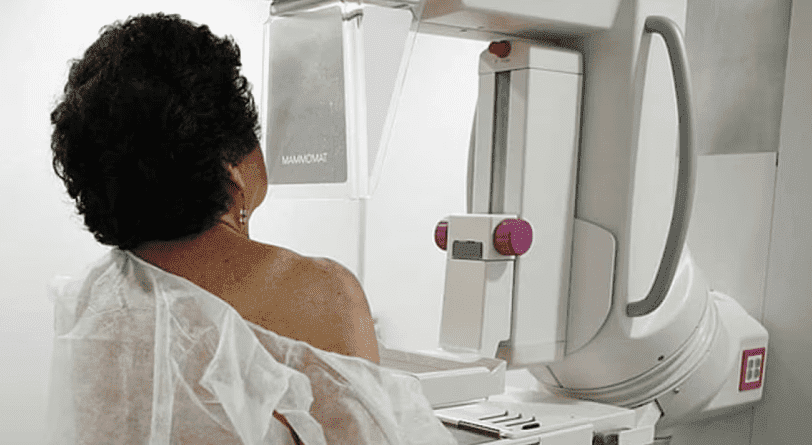
It’s important to schedule your mammogram when your breasts are not sensitive. On the day of your appointment, wear separate top and bottom attire, like a shirt and pants. Avoid using deodorants, antiperspirants, lotions, or powders before the mammogram.
Another frequent question is how to make an appointment:
- You can contact your nearest Ontario Breast Screening Program site.
- You can also call the Ontario Breast Screening Program at 1-800-668-9304.
If your test results are normal, you’ll be notified by mail from Ontario Health (Cancer Care Ontario) or by phone at 1-866-662-9233. If results are abnormal, staff from the Ontario Breast Screening Program location will inform you.
So, Ottawa provides a wide range of healthcare services covering breast cancer diagnosis. Early screenings are key to early detection and successful treatment. Women aged 40 and over can have mammograms covered by OHIP on their own without a referral from a doctor or nurse. If you have additional questions or concerns, you can always speak with your physician or oncologist or contact Health811. By calling that number, you can discuss your risk of developing cancer, as well as the potential benefits and drawbacks of screening.
Breast Health Centre at The Ottawa Hospital
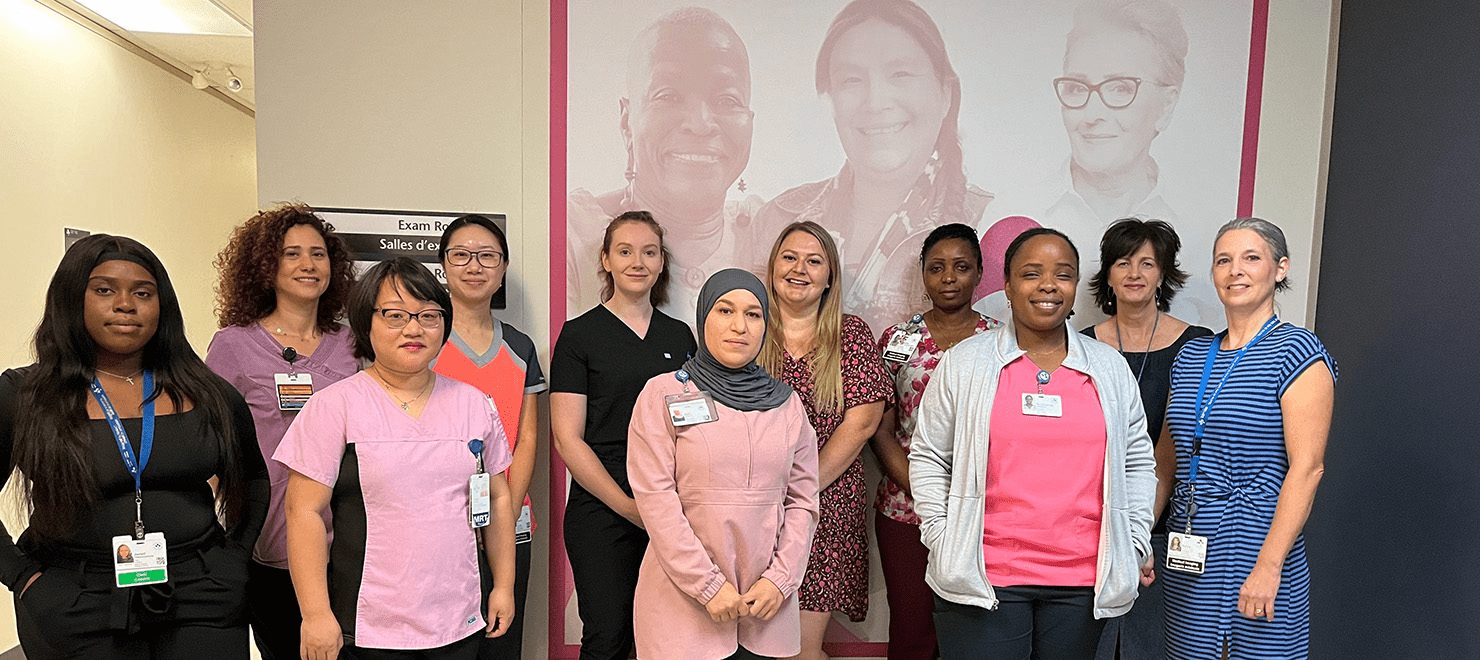
This centre opened on September 20, 2018, at The Ottawa Hospital. It was a momentous occasion made possible by over 200 generous donors and tireless supporters who raised 14 million dollars. The centre is equipped with an impressive suite of technologies—some of the most modern and comprehensive in Canada.
The Ottawa Hospital takes a comprehensive approach to breast health. The Breast Health Centre provides:
- Breast imaging, including mammography, ultrasound, and other imaging methods. This makes it possible to detect breast tissue changes at early stages.
- Beyond imaging, the centre performs biopsies to make accurate diagnoses.
- Specialists assess individual breast cancer risks and propose prevention strategies.
- If cancer is diagnosed, doctors devise personalized treatment plans, including surgery.
- The centre also offers crucial psychosocial support to help patients cope with the emotional strain that comes with a cancer diagnosis.

Ottawa Statistics
Previously, Ottawa had four breast health centres; that number was reduced to two (Rose Ages Breast Health Centre and Hampton Park). Centralizing services cuts down on travel time, improves patient care, and boosts efficiency.
In 2018, about 1,000 women in Ottawa received a breast cancer diagnosis. A generous community of donors is working to tackle this problem, striving to improve all aspects of breast cancer care.
Fewer than 3% of Canadian women with breast cancer participate in clinical trials—an alarmingly low number. One reason was the large amount of paperwork needed before commencing a trial.
In 2014, Dr. Mark Clemons (a medical oncologist and researcher), along with Dr. Dean Fergusson (director of the clinical epidemiology program) and colleagues at The Ottawa Hospital, developed REaCT (ReThinking Clinical Trials), which streamlined registration for clinical trials and improved efficiency for breast cancer patients. Over 2,300 participants have joined since then.
Between 2018 and 2019, 42,288 women were diagnosed. 2,397 breast biopsies were conducted, 5,129 women went to general clinics, and 1,929 patients visited the Breast Centre. Most notably, 889 patients began treatment for diagnosed breast cancer.
Prevention
Finally, here are tips for reducing your breast cancer risk: maintain a healthy weight, limit alcohol, avoid smoking, stay active, and discuss your risk factors with a physician or nurse—especially if you’re using birth control or hormone replacement therapy.
- https://www.ontario.ca/page/breast-cancer-testing-and-prevention
- https://ohfoundation.ca/be-inspired/a-new-era-in-breast-health-at-the-ottawa-hospital/
- https://www.ottawahospital.on.ca/en/clinical-services/deptpgrmcs/programs/cancer-program/what-we-offer-our-programs-and-services/ontario-breast-screening-program/