
Ever wondered what Ottawa women used to wear on their heads? Like in any other city, headwear offers a fascinating peek into cultural, social, and economic shifts. Diving into this history helps us understand the style and beauty of the city’s women through the ages. You can find out more about all this on ottawanka.com.
Social Status and Headwear
For women, headwear was a clear indicator of their social class, wealth, and standing in society. It’s truly interesting to see how women’s headwear in Ottawa evolved through history and across different social strata.
In the early period (17th – 18th centuries), women’s head coverings were quite practical, primarily used for protection from the elements. Noblewomen sported bonnets adorned with lace and precious stones, often crafted in the shape of butterflies. Their outfits were completed with well-chosen accessories like parasols, gloves, and gold and silver ribbons, which also helped fasten their clothing. While these head coverings appeared modest, the quality of materials and subtle accent details clearly set them apart from those worn by the less affluent. During this time, European fashion began to influence local styles. Poorer women, on the other hand, wore simple hats, kerchiefs, and scarves made from readily available materials like linen or plain wool. They often made these items themselves or bought them at local markets to save money.
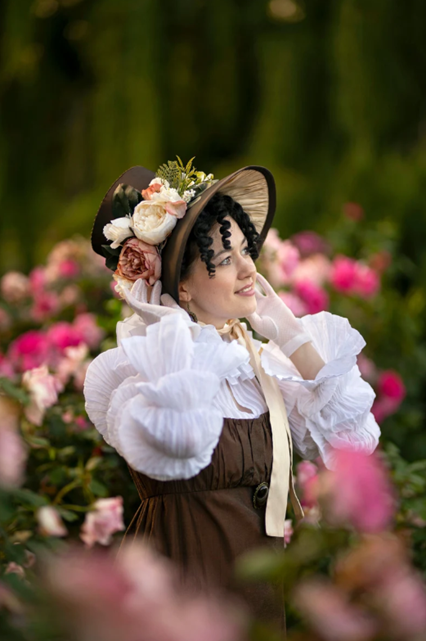
The 19th century is often dubbed the era of hats and bonnets. During this period, women’s headwear transformed into a crucial fashion accessory. For affluent women, this was a time of blooming style. They wore elegant bonnets of various shapes and sizes, eventually transitioning to more elaborate, wide-brimmed hats. These hats were true works of art, with countless variations. You’d see hats adorned with flowers, artificial feathers, and even exotic birds. The artisans who crafted these pieces for Ottawa’s wealthy women used expensive materials like silk, velvet, taffeta, and lace. One glance at such headwear was enough to know its owner was a woman of means.
For Ottawa’s less fortunate women, little changed. They continued to wear kerchiefs, scarves, and simple straw hats for outdoor work. If they did wear bonnets, these were made from plain fabrics and devoid of any embellishment.
20th Century Headwear
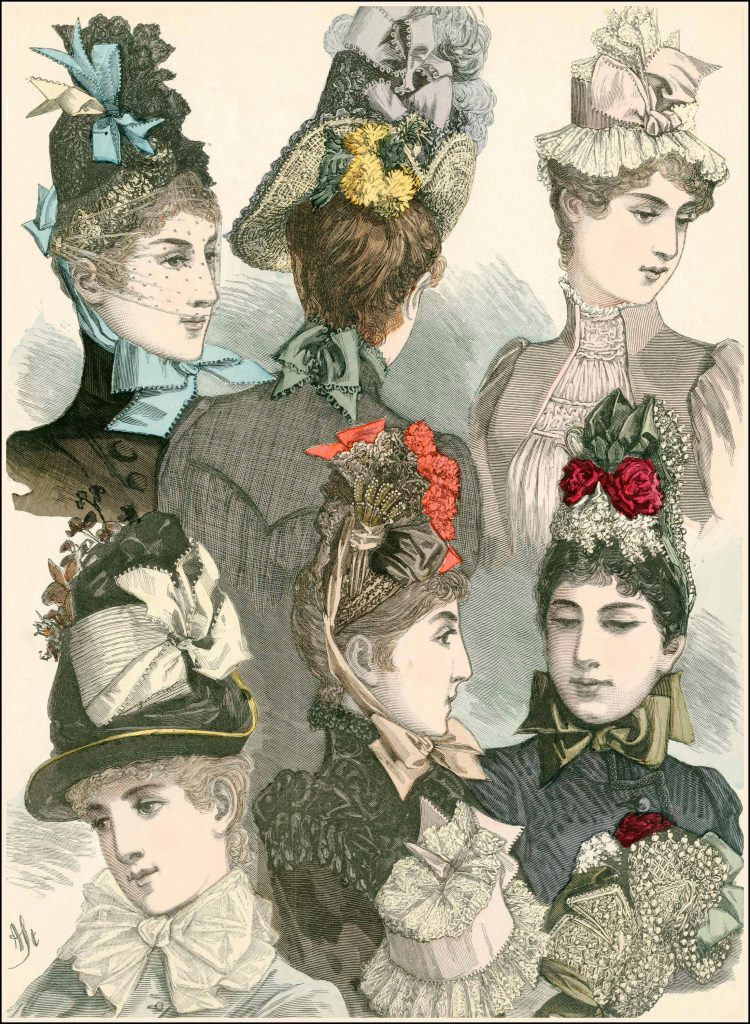
Throughout the early, mid, and late 20th century, women’s headwear underwent significant transformations. Not only did social status influence a woman’s choice, but also the ripple effects of the First and Second World Wars. Early in the 20th century, headwear reached its peak of extravagance before rapidly shifting. Factory workers in Ottawa typically wore simple turbans or scarves, while wealthy women still favoured incredibly lavish and oversized hats. These elaborate pieces were utterly impractical for daily life, but they powerfully symbolized a woman’s status and her desire to stand out.
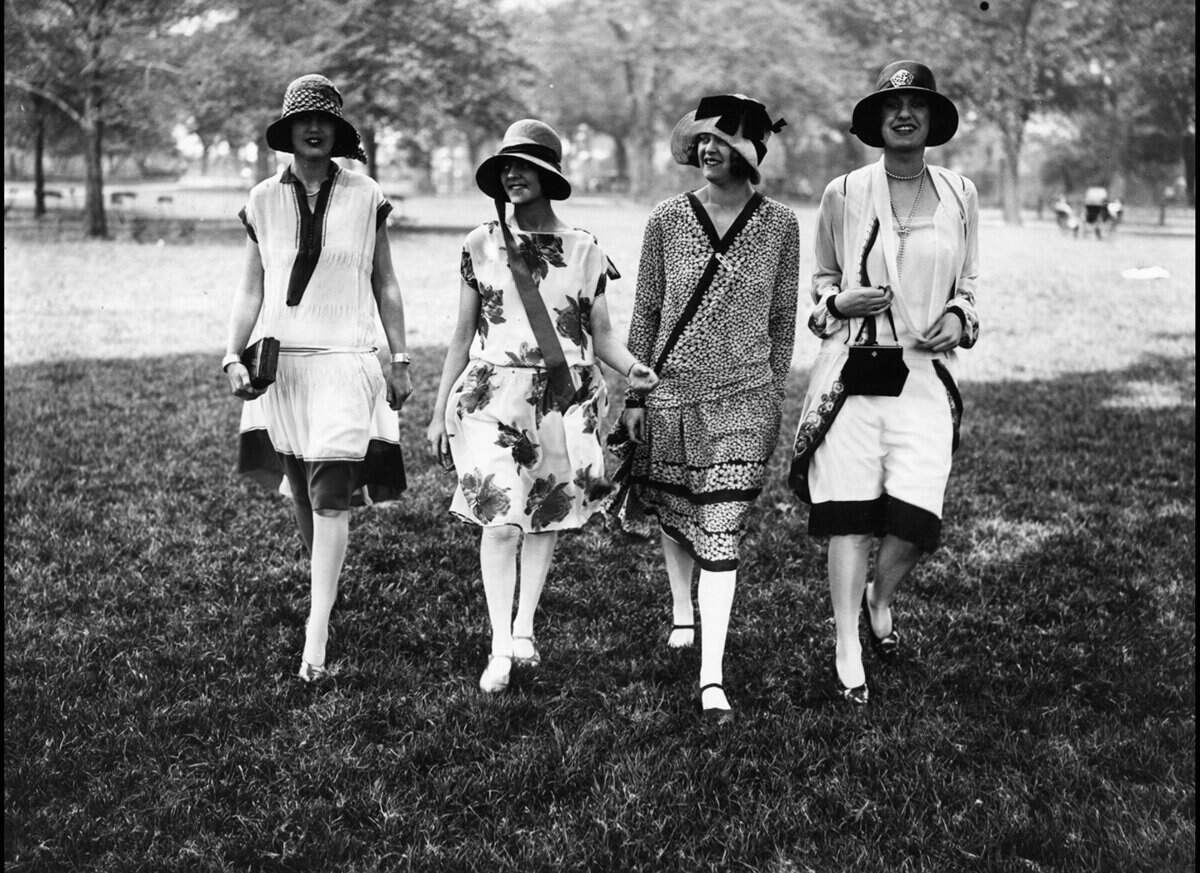
By the 1920s, large hats became a thing of the past, replaced by the smaller, close-fitting cloche hats. These hats symbolized a new era, representing active and sporty women who often sported short haircuts. Wealthy women ordered cloche hats made from luxurious fabrics like felt or silk, often adorned with beads, embroidery, or appliqués. Old photographs reveal headwear embellished with ribbons or buckles.
By the mid-20th century, headwear became an integral component of an outfit. Many women at this time no longer wore hats daily, especially in informal settings. Affluent women gravitated towards small pillbox hats, turbans, and miniature hats with veils. These headpieces beautifully complemented the feminine silhouette. Scarves also gained popularity in the mid-20th century, with wealthy women commissioning designer pieces.
Towards the end of the 20th century and into the early 21st, the everyday wearing of headwear declined significantly. For women in the lower and middle classes, headwear became almost exclusively functional – think winter hats for warmth, and caps or baseball caps for sun protection. Wealthy women, however, continued to wear headwear as a stylish accessory from renowned designers. Examples include elegant pillbox hats, whimsical fascinators, or chic designer beanies.
Over the centuries, women’s headwear in Canada, including Ottawa, has consistently reflected social distinctions through materials, design, and form. In the latter half of the 20th century, these distinctions became less pronounced, as headwear choices increasingly prioritized comfort, personal style, and self-expression.
Vintage Style Headwear
Today, Ottawa women have the opportunity to connect with the past while adding a touch of elegance to their look. In the world of vintage hats, city dwellers can choose pieces that evoke bygone eras:
- Cloche hats: These were at their peak in the 1920s, but fashion has a way of coming back around. Women often choose these for a romantic, nostalgic vibe.
- Fedora hats: While often associated with men’s fashion, fedoras were once popular among women too.
- Berets: These versatile pieces are a staple of any vintage wardrobe, adding a sophisticated and charming touch to any outfit.
Ottawa residents can find these vintage headwear gems in specialized boutiques, second-hand shops, local markets, or online platforms.